

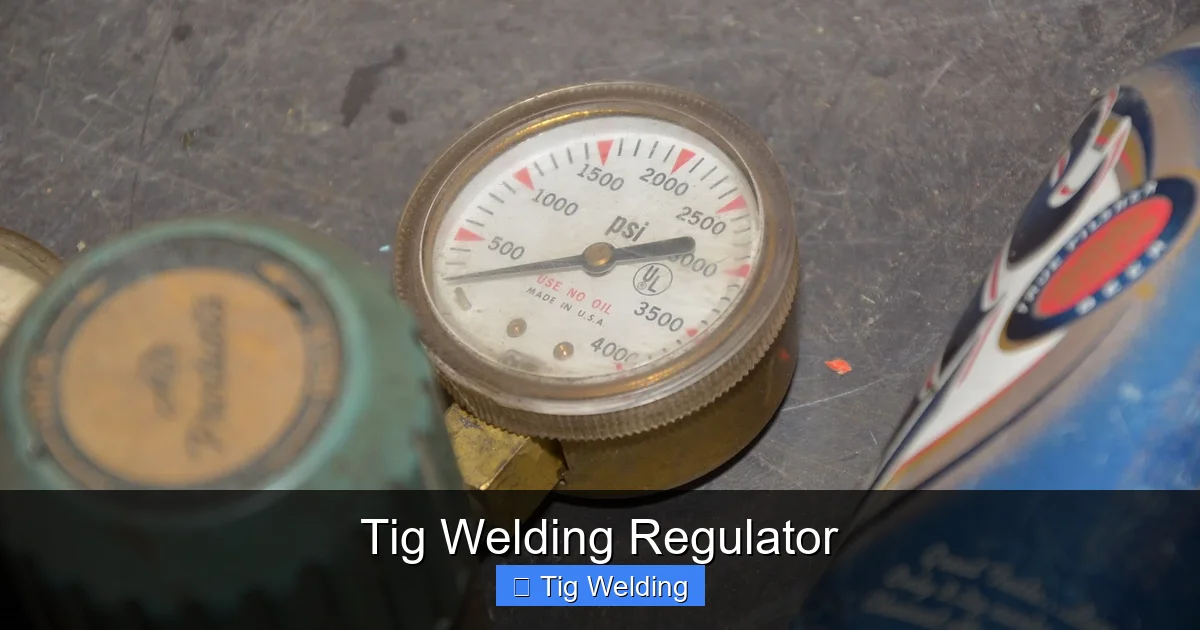
A TIG welding regulator is a vital component that controls gas flow during welding, ensuring safety and precision. Choosing the right regulator can improve your welding quality and efficiency. Whether you’re a beginner or a seasoned welder, understanding TIG welding regulators helps you make informed decisions and achieve better results in your projects.
Key Takeaways
- Essential for TIG welding: The regulator controls the flow of shielding gas, crucial for preventing contamination.
- Types vary: Different regulators cater to various gases like argon, helium, or mixed gases, and come with unique features.
- Important features: Look for durability, precise flow control, and pressure gauges when selecting a regulator.
- Compatibility matters: Ensure the regulator matches your TIG torch and gas cylinder for safe operation.
- Proper maintenance: Regular checks and cleaning extend the lifespan and maintain performance.
- Cost vs. quality: Investing in a quality regulator pays off with reliable performance and safety during welding.
Quick Answers to Common Questions
Question 1?
What does a TIG welding regulator do?
It controls and monitors the flow of shielding gas from the cylinder to your weld, ensuring a consistent and safe gas supply.
Question 2?
Are single-stage regulators suitable for professional TIG welding?
They can be used for small projects or hobbyist work, but professionals often prefer two-stage regulators for better control and stability.
Question 3?
How often should I check my TIG welding regulator?
Regularly inspect it before each use and perform maintenance periodically, especially if you notice leaks or inconsistent gas flow.
Question 4?
Can I use a standard regulator for different gases?
No, always use a regulator designed specifically for the type of gas you’re using to ensure safety and proper performance.
Question 5?
What safety features should I look for in a TIG welding regulator?
Look for pressure relief valves, secure fittings, and leak-proof design to prevent accidents and equipment damage.
📑 Table of Contents
- Introduction to TIG Welding Regulators
- What Is a TIG Welding Regulator?
- Types of TIG Welding Regulators
- Key Features to Consider When Choosing a TIG Welding Regulator
- How to Properly Use and Maintain a TIG Welding Regulator
- Choosing the Right TIG Welding Regulator for Your Needs
- Conclusion
- Final Tips for TIG Welding Success
Introduction to TIG Welding Regulators
If you’ve ever dived into TIG welding, you know that precision and safety are everything. One of the unsung heroes in this process is the TIG welding regulator. Think of it as the gatekeeper that manages how much shielding gas flows to your welding area. Without it, your welds can turn out contaminated, weak, or uneven.
Whether you’re welding thin metals or thick ones, the right regulator ensures steady gas flow, helping you achieve clean, professional results. It’s especially important for beginners learning the ropes and seasoned pros refining their craft. In this guide, we’ll explore everything you need to know about TIG welding regulators—what they are, how they work, and how to pick the best one for your needs.
What Is a TIG Welding Regulator?
Definition and Functionality
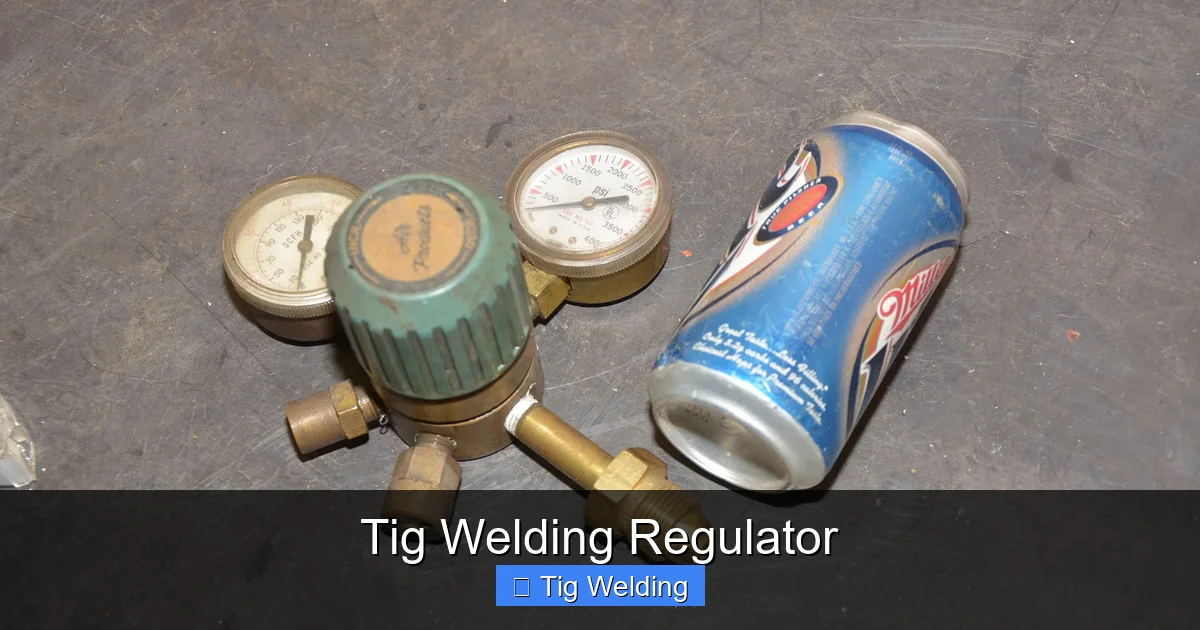
A TIG welding regulator is a device attached to a gas cylinder that controls and monitors the flow of inert gases like argon, helium, or mixtures used in TIG welding. Its main job is to regulate pressure and ensure a consistent flow of shielding gas, which protects the weld from atmospheric contamination.
Visual guide about Tig Welding Regulator
Image source: yabe.chudov.com
Think of it as a precise faucet that releases just the right amount of gas during welding. Proper regulation prevents wastage and ensures your welds are clean and strong.
Types of TIG Welding Regulators
Single-Stage Regulators
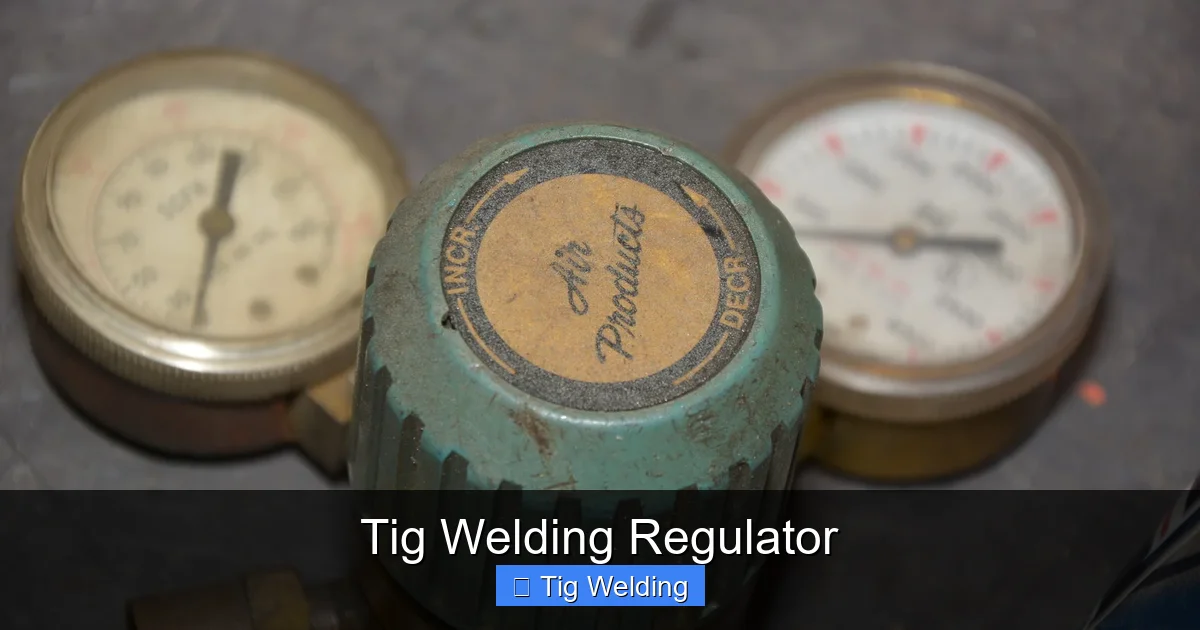
Single-stage regulators reduce the high pressure from the gas cylinder directly to a working pressure suitable for welding. They are simple, affordable, and ideal for hobbyists or small projects. However, they can fluctuate with changing cylinder pressure, which might affect gas flow consistency.
Visual guide about Tig Welding Regulator
Image source: yabe.chudov.com
Two-Stage Regulators
Two-stage regulators provide a more stable and consistent gas flow by reducing pressure in two steps. They are more expensive but offer better control, making them suitable for professional applications where precision matters.
Specialized Regulators
Some regulators are designed for specific gases or applications. For example, high-pressure regulators are used for large cylinders, while low-pressure models are ideal for delicate TIG welding tasks.
Additionally, there are digital regulators with electronic controls for even more precise gas flow management, perfect for advanced welding setups.
Key Features to Consider When Choosing a TIG Welding Regulator
Material and Build Quality
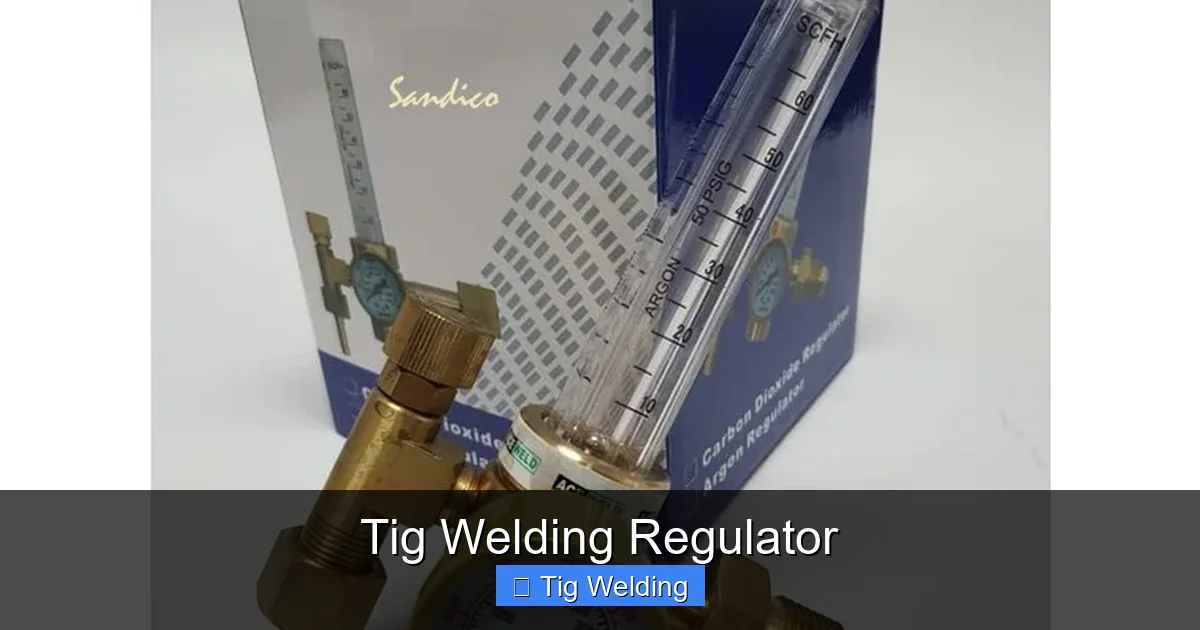
Look for regulators made from durable materials like brass or stainless steel. These materials resist corrosion and can withstand the rigors of welding environments.
Visual guide about Tig Welding Regulator
Image source: cf.shopee.com.my
Gauge Readings
Ensure the regulator has clear, easy-to-read gauges showing both cylinder pressure and outlet pressure. This allows you to monitor gas flow accurately during welding.
Flow Control Options
Some regulators come with adjustable flow meters, allowing you to set the exact flow rate needed for your project. Precise control helps prevent gas wastage and improves weld quality.
Compatibility with Gases and Cylinders
Verify that the regulator is compatible with your specific gas (argon, helium, etc.) and cylinder size. Using incompatible regulators can be dangerous and may damage equipment.
Safety Features
Features like pressure relief valves and secure fittings add extra safety, preventing accidental over-pressurization or leaks.
How to Properly Use and Maintain a TIG Welding Regulator
Installation Tips
- Always ensure the cylinder valve is closed before attaching the regulator.
- Connect the regulator securely to prevent leaks.
- Open the cylinder valve slowly to avoid sudden pressure surges.
Operational Tips
- Set the desired gas flow rate according to your welding requirements—typically 15-20 CFH (cubic feet per hour) for TIG welding.
- Check for leaks by applying soapy water to fittings—bubbles indicate leaks.
- Adjust the flow meter carefully during welding to maintain consistent shielding gas coverage.
Maintenance and Troubleshooting
- Regularly inspect the regulator for damage or corrosion.
- Replace damaged or worn-out gauges and fittings promptly.
- Clean the regulator periodically to remove dust or debris.
- Store in a dry, clean place when not in use.
Choosing the Right TIG Welding Regulator for Your Needs
Picking the perfect regulator depends on your specific welding setup and projects. Here are some practical tips:
- Assess your gas type: Ensure compatibility with your chosen shielding gas.
- Consider your usage frequency: Frequent welders may benefit from two-stage or digital regulators for better control.
- Set your budget: While high-end regulators cost more, they offer better durability and precision, which can save money long-term.
- Think about safety features: Prioritize regulators with reliable safety mechanisms.
- Read reviews and ask experts: Learning from other welders’ experiences helps in making an informed choice.
Conclusion
A TIG welding regulator might seem like a small component, but it plays a crucial role in achieving high-quality welds. From controlling gas flow to ensuring safety, investing in the right regulator makes your welding safer, more efficient, and more professional-looking. Take the time to understand your needs, choose wisely, and maintain your regulator properly. Your welds—and your wallet—will thank you.
Final Tips for TIG Welding Success
- Always use the correct gas flow rate for your project.
- Regularly inspect and maintain your regulator.
- Practice good safety habits—wear protective gear and check for leaks.
- Invest in quality equipment; it pays off in better welds and safety.
Frequently Asked Questions
What is a TIG welding regulator?
A TIG welding regulator is a device that controls the flow of shielding gas from the cylinder to the welding torch, ensuring a steady and safe supply for high-quality welds.
Why is gas regulation important in TIG welding?
Proper gas regulation prevents contamination of the weld, improves weld appearance, and protects the welder from potential hazards associated with gas leaks or overpressure.
What types of TIG welding regulators are available?
Common types include single-stage and two-stage regulators, with some specialized models offering digital controls for enhanced precision.
How do I choose the right TIG welding regulator?
Consider your gas type, project scale, budget, and required features such as flow control and safety mechanisms when selecting a regulator.
How do I maintain my TIG welding regulator?
Regularly inspect for damage, clean to remove dust and debris, check for leaks, and replace worn parts as needed to ensure optimal performance.
Can I use a TIG welding regulator with other welding processes?
While designed for TIG welding, some regulators can be used for other processes like MIG welding, but always verify compatibility and safety guidelines.
