

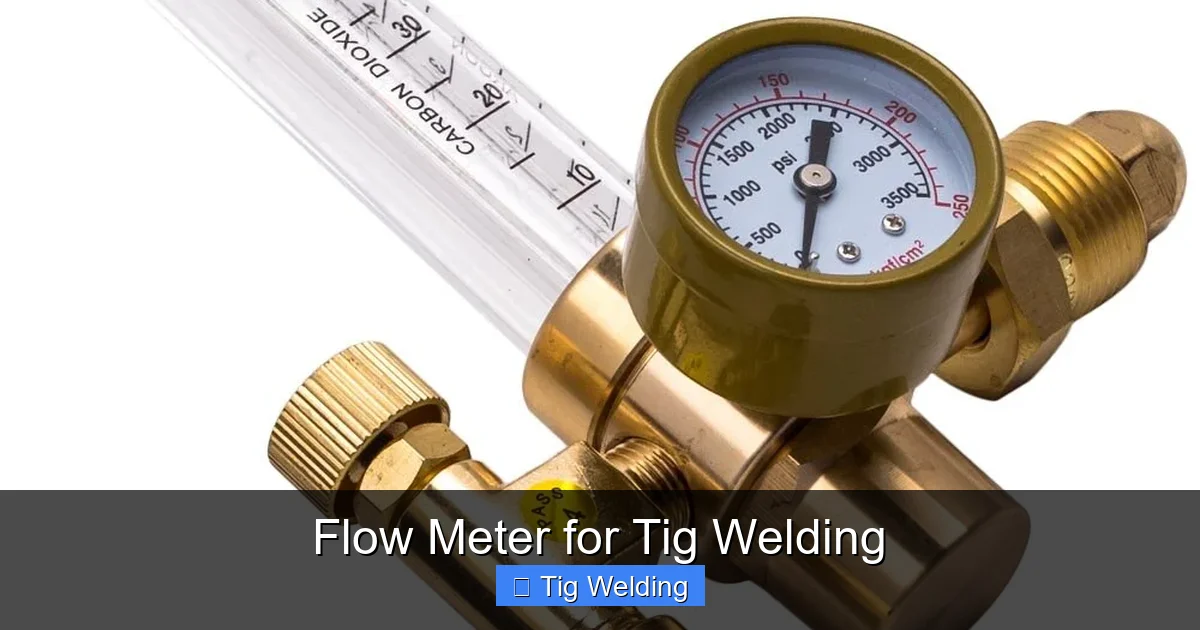
A flow meter for TIG welding is essential for controlling shielding gas flow, ensuring high-quality welds. It provides precise measurement, helping welders achieve consistent results and reduce wasted gas. Whether you’re a beginner or a professional, understanding how to use and select the right flow meter can significantly improve your TIG welding performance.
Key Takeaways
- Precise Gas Control: Flow meters ensure accurate shielding gas flow, which is vital for clean, high-quality TIG welds.
- Types of Flow Meters: There are different types, such as ball, needle, and rotameters, each suited for specific welding needs.
- Importance of Proper Calibration: Regular calibration maintains measurement accuracy and weld consistency.
- Compatibility: Choose a flow meter compatible with your gas type, such as argon, helium, or mixtures.
- Ease of Use: Simple installation and clear readings make flow meters user-friendly for both beginners and experts.
- Cost-Effective Investment: A good flow meter can reduce gas waste and improve weld quality, saving money in the long run.
Quick Answers to Common Questions
Question 1?
What is the ideal flow rate for TIG welding?
The typical flow rate for TIG welding ranges from 5 to 20 CFH, depending on the gas type and project requirements.
Question 2?
Can I use any flow meter for different gases?
No, it’s important to select a flow meter compatible with your specific shielding gas, such as argon or helium, to ensure accuracy and safety.
Question 3?
How often should I calibrate my flow meter?
It’s recommended to calibrate your flow meter at least once every 6 to 12 months or more frequently if used heavily or in demanding environments.
Question 4?
Are digital flow meters better than analog ones?
Digital flow meters offer higher precision and easier readings, but analog meters are simpler and more affordable. Choose based on your needs and budget.
Question 5?
What are common mistakes when using a flow meter in TIG welding?
Common mistakes include setting incorrect flow rates, not checking for leaks, and neglecting calibration, all of which can affect weld quality.
📑 Table of Contents
- Introduction to Flow Meters for TIG Welding
- What Is a Flow Meter and How Does It Work?
- Types of Flow Meters for TIG Welding
- Choosing the Right Flow Meter for TIG Welding
- Practical Tips for Using a Flow Meter in TIG Welding
- Benefits of Using a Flow Meter in TIG Welding
- Conclusion: Investing in a Flow Meter for Better TIG Welding
Introduction to Flow Meters for TIG Welding
If you’ve ever tried TIG welding, you know that controlling the shielding gas is crucial. Too little gas, and your weld may be contaminated; too much, and you waste material and increase costs. That’s where a flow meter for TIG welding comes into play. It’s a simple yet vital tool that helps you regulate and measure the flow of gases like argon, helium, or mixes, ensuring your welds are clean, strong, and consistent.
Many welders overlook the importance of proper gas flow, but even a slight deviation can lead to defective welds or wasted gas. Investing in a good flow meter improves your control over the process, enhances weld quality, and boosts overall efficiency. Whether you’re a hobbyist or a professional, understanding how to select and use a flow meter is essential for mastering TIG welding.
What Is a Flow Meter and How Does It Work?
Understanding the Basics
A flow meter is a device that measures the amount of gas passing through it, usually in units of cubic feet per hour (CFH) or liters per minute (L/min). In TIG welding, it ensures the shielding gas flows at a consistent rate, protecting the weld pool from contamination.
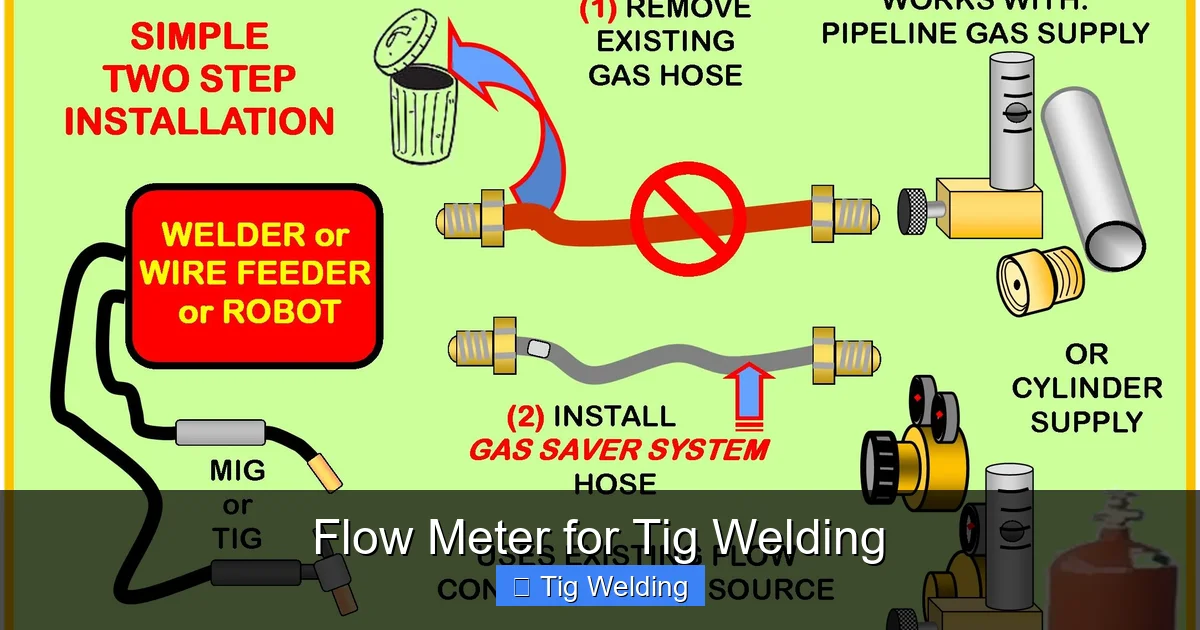
Visual guide about Flow Meter for Tig Welding
Image source: netwelding.com
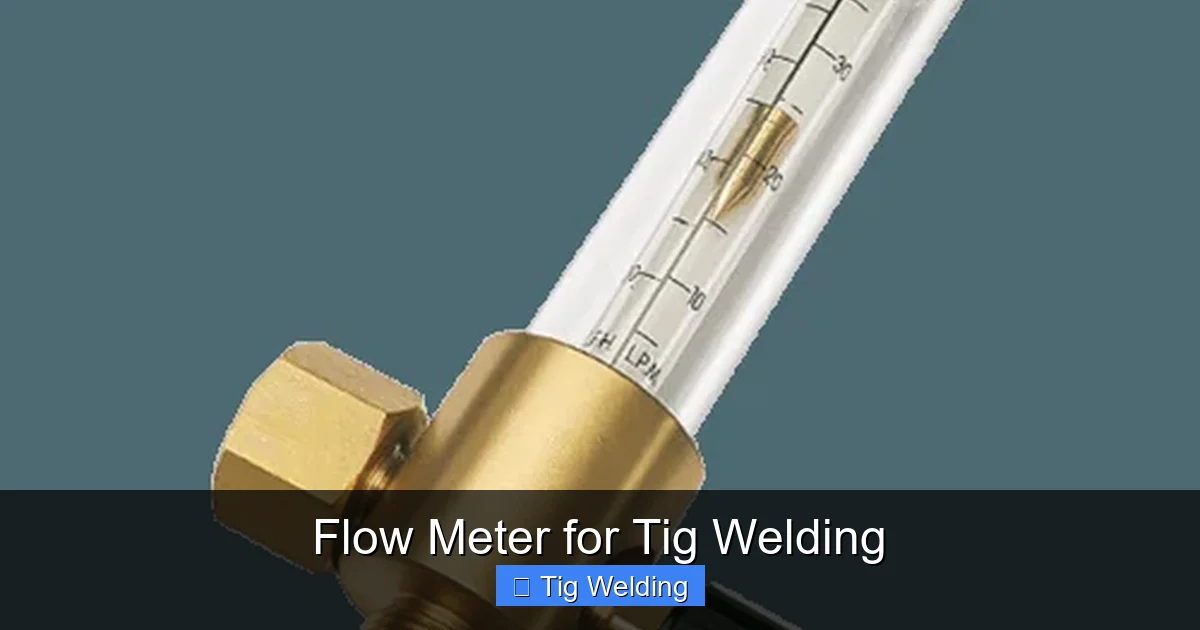
Flow meters work by directing gas through a calibrated tube or chamber. As the gas flows, a floating element—such as a ball or a rotor—rises to a level that indicates the flow rate on a scale. This visual cue allows welders to adjust the gas flow precisely.
Types of Flow Meters for TIG Welding
Ball and Float Flow Meters
One of the most common types, ball flow meters, feature a small ball that floats in a tapered tube. The height of the ball corresponds to the flow rate. They are simple, affordable, and easy to read, making them popular among hobbyists and professionals alike.
Visual guide about Flow Meter for Tig Welding
Image source: bottlegases.co.uk
Needle and Diaphragm Flow Meters
Needle meters use a needle valve to control flow, offering more precise adjustments. They are ideal for applications requiring fine control of gas flow, which is often necessary in TIG welding for optimal weld quality.
Rotameters
Rotameters are similar to ball meters but often provide more accurate readings. They are suitable for high-precision welding tasks. Some models are designed for specific gases, ensuring compatibility and safety.
Choosing the Right Flow Meter for TIG Welding
Compatibility with Gas Type
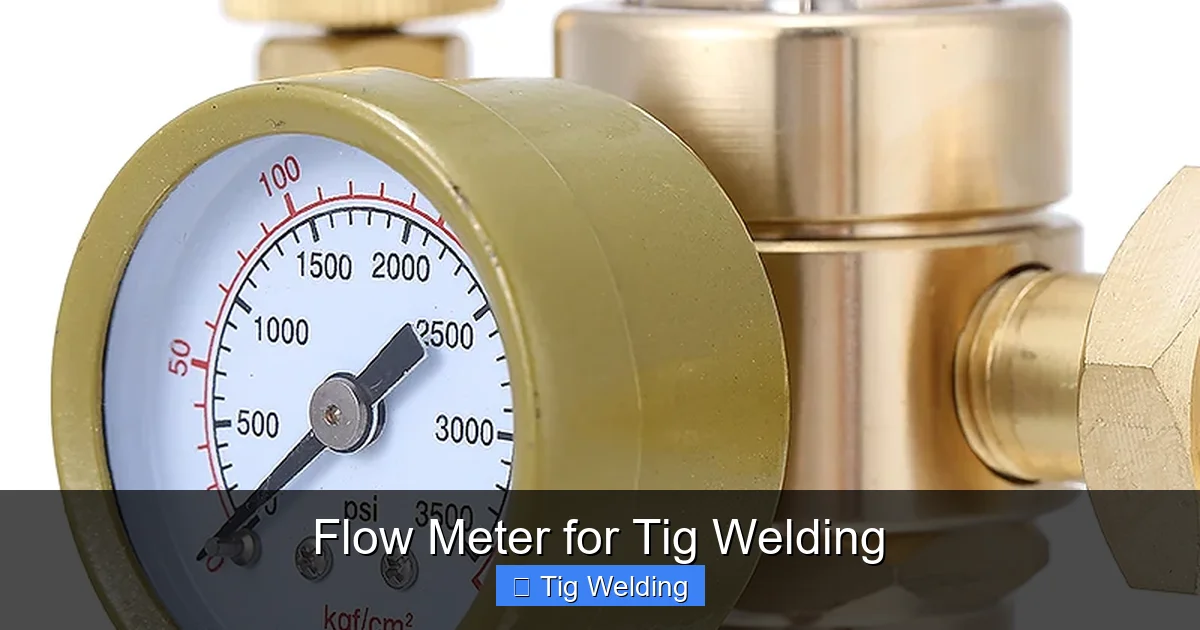
Ensure the flow meter is compatible with your shielding gas—whether argon, helium, or a mixture. Some meters are designed specifically for certain gases, affecting accuracy and safety.
Visual guide about Flow Meter for Tig Welding
Image source: images.nexusapp.co
Flow Rate Range
Most TIG welding requires a flow rate between 5 to 20 CFH. Select a flow meter that covers this range comfortably, with some room for adjustment.
Material and Durability
Look for flow meters made from corrosion-resistant materials like brass or stainless steel. They will withstand the harsh environment of welding shops and last longer.
Ease of Installation and Reading
Choose a flow meter that’s easy to install on your regulator or gas line. Clear, easy-to-read scales help you make quick adjustments during welding.
Practical Tips for Using a Flow Meter in TIG Welding
Start with Recommended Settings
Always begin with the manufacturer’s recommended flow rate for your specific application and gas type. Fine-tune as needed based on your welds and environmental conditions.
Check for Leaks
Regularly inspect connections and fittings to prevent leaks, which can affect flow accuracy and safety.
Calibrate Periodically
Even high-quality flow meters need calibration to maintain accuracy. Follow the manufacturer’s instructions for calibration intervals.
Monitor During Welding
Keep an eye on the flow meter during welding to ensure consistent flow, especially if working in drafts or changing environments.
Use Proper Gas Cylinder Regulator
Pair your flow meter with a reliable regulator designed for your gas type to ensure accurate and safe operation.
Benefits of Using a Flow Meter in TIG Welding
- Improved Weld Quality: Consistent shielding gas flow prevents contamination and defects.
- Gas Efficiency: Accurate measurement reduces wastage, saving money over time.
- Enhanced Control: Precise adjustments lead to better weld aesthetics and strength.
- Reduced Rework: Fewer weld imperfections mean less time fixing mistakes.
- Safety: Proper gas flow minimizes the risk of leaks and hazards.
Conclusion: Investing in a Flow Meter for Better TIG Welding
In the world of TIG welding, precision is everything. A flow meter for TIG welding is a small but powerful tool that ensures your shielding gas flows just right. It helps you produce cleaner, stronger welds, reduce waste, and work more efficiently. Whether you’re just starting or are a seasoned professional, choosing the right flow meter and using it correctly can make a significant difference in your welding results.
Remember, regular maintenance, calibration, and proper handling will maximize the benefits of your flow meter. So, invest wisely, and watch your TIG welding skills reach new heights!
Frequently Asked Questions
What is a flow meter for TIG welding?
A flow meter for TIG welding is a device that measures and controls the flow of shielding gas, ensuring it remains consistent throughout the welding process for optimal results.
Why is controlling gas flow important in TIG welding?
Proper gas flow prevents contamination of the weld pool, reduces porosity, and improves overall weld quality. It also helps conserve gas and reduce costs.
What types of flow meters are suitable for TIG welding?
Ball, needle, and rotameter flow meters are commonly used in TIG welding. Each offers different levels of precision and ease of use, so choose based on your specific needs.
How do I install a flow meter on my TIG welding setup?
Typically, you connect the flow meter inline with your regulator and gas hose. Ensure all connections are tight and check for leaks before welding.
Can I use a flow meter for other welding processes?
Yes, flow meters are versatile and can be used for MIG, plasma, or other welding processes that require precise gas control, but ensure compatibility with your gas type.
What maintenance does a flow meter require?
Regular cleaning, calibration, and inspection for damage or leaks are essential to keep your flow meter accurate and functioning properly.
