

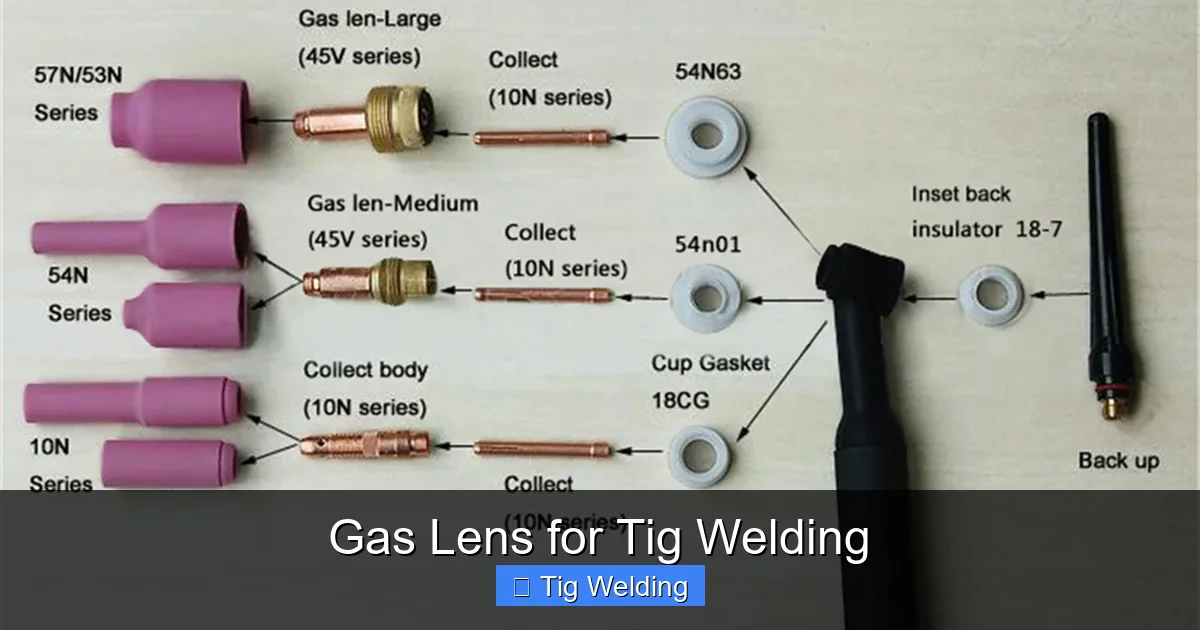
Gas lenses for TIG welding are essential tools that improve shielding gas flow and weld quality. They provide a better gas coverage, reduce contamination, and make welding more consistent and precise. Whether you’re a beginner or a professional, understanding gas lenses can significantly enhance your TIG welding performance.
Key Takeaways
- Improved Gas Flow: Gas lenses create a more uniform and stable gas shield around the tungsten and weld puddle.
- Enhanced Weld Quality: Better shielding reduces contamination, porosity, and weld defects.
- Compatibility: Gas lenses are compatible with most standard TIG torches and can be easily installed.
- Different Sizes and Materials: They come in various sizes and materials to suit different welding applications and preferences.
- Cost-Effective Investment: Though slightly more expensive upfront, gas lenses save time and rework costs by improving weld consistency.
- Ease of Use: Replacing and cleaning gas lenses is straightforward, making maintenance simple for welders at all skill levels.
Quick Answers to Common Questions
Question 1?
What is a gas lens in TIG welding?
A gas lens is a diffuser component that improves shielding gas flow and coverage around the tungsten and weld pool, leading to cleaner welds.
Question 2?
How does a gas lens improve weld quality?
It provides a broader, more even gas shield, reducing contamination, porosity, and oxidation, which results in stronger, cleaner welds.
Question 3?
Are gas lenses compatible with all TIG torches?
Most standard TIG torches are compatible with gas lenses, but it’s important to check size and fitting specifications before purchasing.
Question 4?
How do I install a gas lens?
Remove the existing collet body and diffuser, then carefully insert the gas lens assembly, securing it with the collet. Ensure proper gas flow before welding.
Question 5?
How often should I clean or replace my gas lens?
Inspect it regularly for debris or damage. Clean with a soft brush or compressed air, and replace if it becomes damaged or clogged for optimal performance.
📑 Table of Contents
Introduction to Gas Lenses for TIG Welding
If you’re into TIG (Tungsten Inert Gas) welding, you know how crucial shielding gas is for creating clean, high-quality welds. The shielding gas protects the weld pool from atmospheric contamination, which can cause porosity, weak welds, or imperfections. Traditionally, welders used standard collet bodies and small gas diffusers, but over time, the industry has shifted toward using gas lenses—a simple yet powerful upgrade that significantly improves the shielding gas flow.
Gas lenses are designed to optimize the flow of shielding gas, providing a broader, more even coverage around the weld area. This not only results in cleaner welds but also makes the welding process smoother and more predictable. Whether you’re working on thin metals, stainless steel, aluminum, or other materials, understanding how gas lenses work and how to use them can take your TIG welding skills to the next level.
What Is a Gas Lens?
Definition and Basic Function
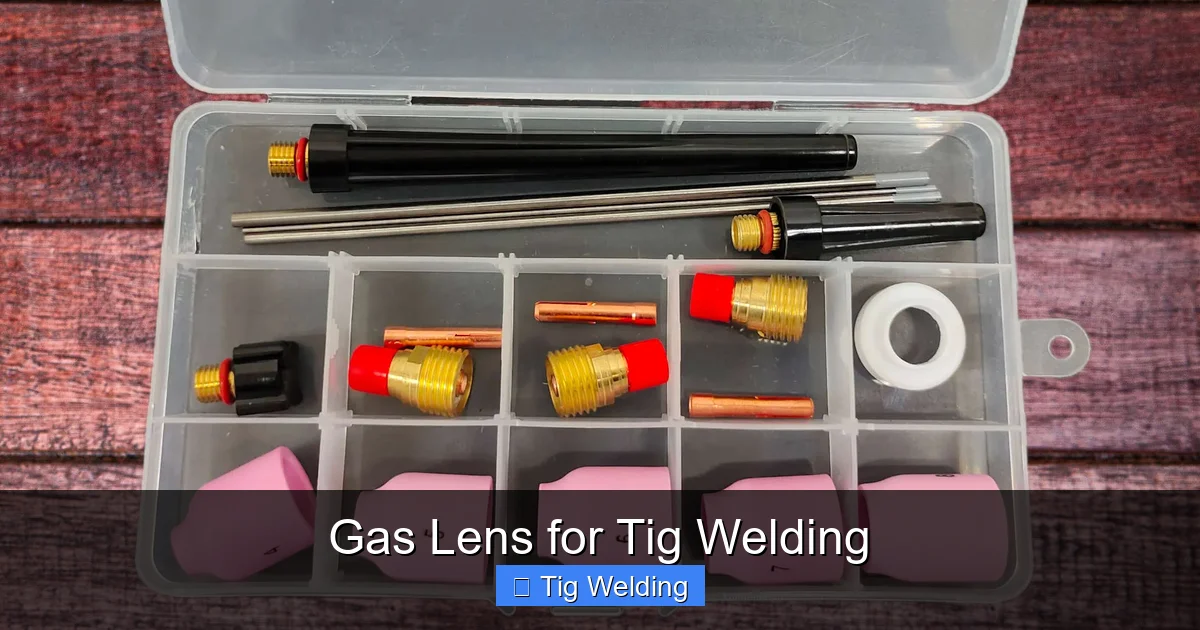
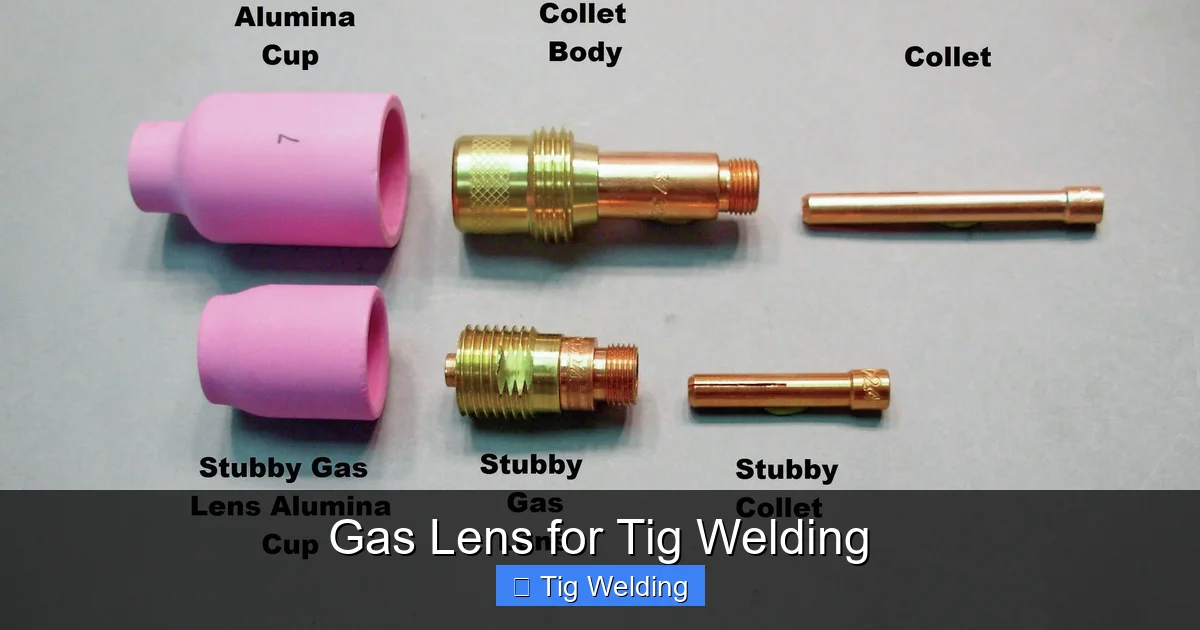
A gas lens is a specialized component that replaces the standard collet body in a TIG torch. It features a stainless steel or other high-quality material screen or diffuser that spreads the shielding gas evenly over the tungsten and weld pool. The result is a “lens” that focuses the gas flow more effectively than traditional setups.
Visual guide about Gas Lens for Tig Welding
Image source: americanindustrialsupl.com
Essentially, the gas lens acts as a diffuser, dispersing the inert gas in a wider, more uniform pattern. This improved flow helps prevent contamination, reduces oxide formation, and produces cleaner welds with less porosity.
Types of Gas Lenses
- Standard Gas Lenses: Typically made with a stainless steel screen, suitable for most general welding tasks.
- Extended Gas Lenses: Longer or larger diameter lenses for increased gas coverage, ideal for larger or more complex welds.
- Custom and Specialty Gas Lenses: Designed for specific applications like thin sheet welding or high-precision tasks.
Benefits of Using a Gas Lens in TIG Welding
Enhanced Shielding Gas Coverage
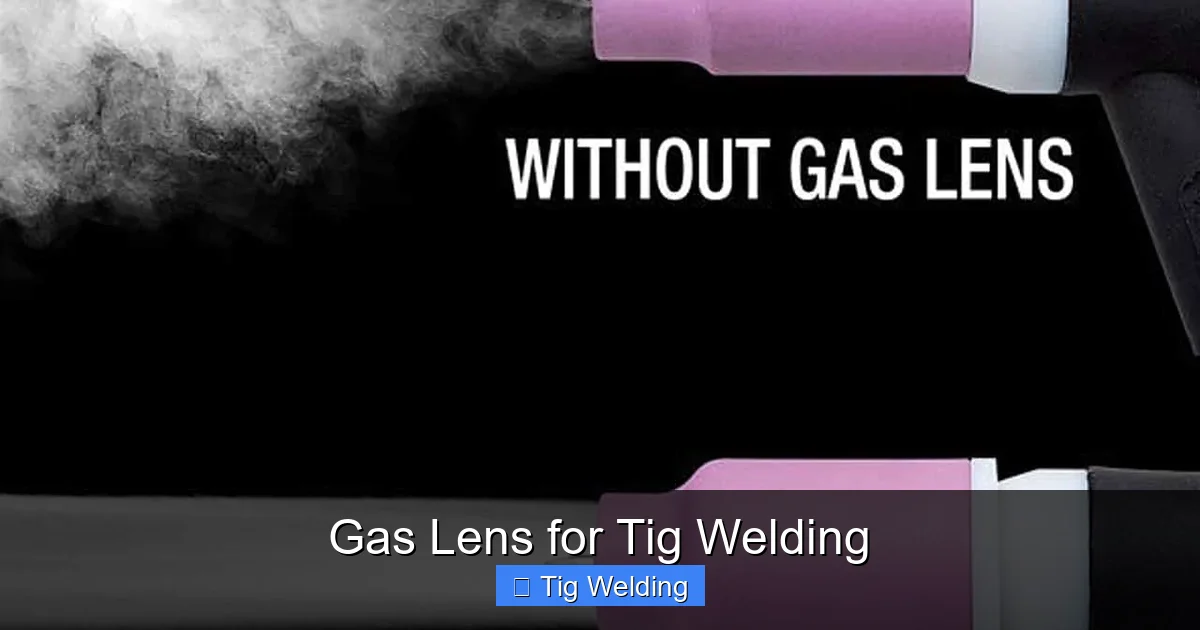
One of the main advantages of a gas lens is the superior gas coverage it provides. Instead of a narrow, concentrated flow, a gas lens creates a broad, even shield. This helps prevent contamination and porosity, especially in challenging welding positions or with thin materials.
Visual guide about Gas Lens for Tig Welding
Image source: st.hotrod.com
Improved Weld Quality
With better shielding, the weld pool remains protected from atmospheric gases. This results in cleaner, stronger welds with fewer defects. Welders often notice a smoother arc and less spatter when using a gas lens.
Reduced Oxidation and Contamination
Oxidation causes weak welds and corrosion. Gas lenses minimize this by ensuring consistent gas flow, which keeps the weld zone shielded at all times, reducing oxidation risks.
Increased Efficiency and Consistency
Because the gas flow is more stable and even, welds tend to be more consistent. This reduces rework and saves time, especially important in production environments.
Compatibility with Different Torch Sizes
Gas lenses are available in various sizes to fit standard TIG torches, making them versatile additions to your welding setup.
How to Choose the Right Gas Lens
Consider Your Material and Thickness
Thin materials or delicate work benefit from larger or extended gas lenses that provide more coverage and stability. Thicker materials might require smaller or standard lenses for precise control.
Visual guide about Gas Lens for Tig Welding
Image source: frost.co.uk
Match with Torch Size
Ensure the gas lens size corresponds to your TIG torch. Most torches accept standard sizes, but verify compatibility before purchasing.
Material and Quality
Opt for high-quality stainless steel or other durable materials. Cheaper options may wear out faster or cause inconsistent gas flow.
Application-Specific Needs
If you’re working on aluminum or stainless steel, choose a gas lens designed for those materials. Some lenses are optimized for specific gases like argon or helium.
Installing and Maintaining a Gas Lens
Installation Tips
- Remove the existing collet body and diffuser.
- Insert the new gas lens assembly carefully, ensuring it fits snugly.
- Secure it with the collet and tighten appropriately.
- Check for proper gas flow before starting your weld.
Cleaning and Maintenance
- Regularly inspect the stainless steel screen for debris or damage.
- Clean with a soft brush or compressed air to remove dust and dirt.
- Replace the gas lens if it becomes damaged or excessively clogged to maintain optimal performance.
Practical Tips for Using Gas Lenses Effectively
- Adjust Gas Flow: Use your regulator to set the right flow rate (typically 10-15 CFH) for your application.
- Positioning: Keep the torch tip close to the workpiece but avoid touching it to prevent contamination or damage.
- Use a Gas Lens for Thin Metals: The wider coverage helps prevent burn-through and oxidation.
- Experiment: Different materials and thicknesses may require different gas lens sizes or flow rates. Don’t hesitate to test and find what works best.
Conclusion: Why You Should Consider a Gas Lens
Investing in a gas lens for TIG welding can significantly improve your weld quality and consistency. By providing a more uniform and stable shielding gas flow, it reduces contamination, porosity, and defects. Whether you’re working on delicate projects or heavy-duty fabrication, a gas lens is a simple upgrade that yields impressive results.
Remember to choose the right size and type for your specific needs, maintain it properly, and practice good torch techniques. With these tips, you’ll enjoy cleaner, stronger, and more professional-looking welds every time.
Final Thoughts
Gas lenses are an essential component for any serious TIG welder. They elevate your welding experience by making the process more efficient, reliable, and capable of producing high-quality results. So, if you haven’t already, consider adding a gas lens to your TIG toolkit and see the difference it makes in your work.
Frequently Asked Questions
What materials are gas lenses made from?
Most gas lenses are made from high-quality stainless steel or other corrosion-resistant metals, ensuring durability and consistent gas flow.
Can I use a gas lens for aluminum welding?
Yes, gas lenses are especially beneficial for aluminum welding because they help provide a wider, more stable gas coverage, reducing oxidation.
Are gas lenses expensive?
They are a bit more costly than standard diffusers, but their benefits in improved weld quality and reduced rework make them a worthwhile investment.
What size gas lens do I need?
Choose a size that fits your torch and matches your welding application. Common sizes include 12, 16, and 22 mm, with larger sizes offering more coverage.
Can I upgrade my existing TIG torch with a gas lens?
Yes, most TIG torches are designed for easy upgrade with standard gas lens components, provided the sizes are compatible.
What gases are best used with gas lenses?
Argon is most common, but helium or a mixture can also be used depending on the material and weld requirements. The gas lens helps optimize the flow of these gases.
