

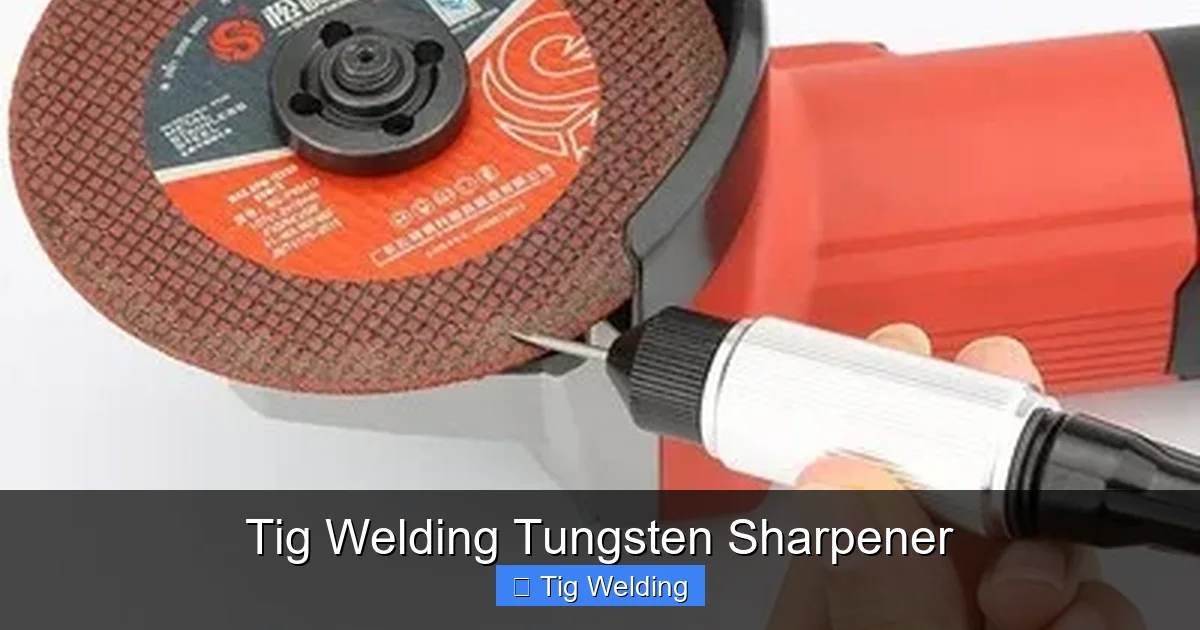
A TIG welding tungsten sharpener is essential for maintaining optimal electrode tip shape and performance.
It ensures clean, precise welds and extends the lifespan of your tungsten electrodes, making your welding projects more efficient and professional.
Key Takeaways
- Proper sharpening improves weld quality: A sharp tungsten electrode produces stable arcs and clean welds.
- Different sharpeners suit different needs: Manual, bench-mounted, and cordless sharpeners offer varied advantages.
- Material compatibility matters: Choose a tungsten sharpener compatible with your electrode type (e.g., thoriated, ceriated).
- Ease of use is crucial: User-friendly sharpeners save time and reduce frustration.
- Cost vs. longevity: Investing in a good tungsten sharpener can save money by extending electrode life.
- Safety considerations: Proper sharpening techniques and safety gear prevent accidents and injuries.
Quick Answers to Common Questions
Question 1?
How often should I sharpen my tungsten electrodes?
It depends on usage, but generally after every few welds or when you notice a dull or uneven tip.
Question 2?
Can I use regular grinding tools for tungsten?
No, it’s best to use dedicated tungsten sharpeners or grinding wheels designed for tungsten to avoid contamination and ensure proper shape.
Question 3?
What is the ideal tip angle for TIG welding tungsten?
Typically, a 20-30 degree angle works well, but it can vary depending on the specific application and electrode type.
Question 4?
Are electric tungsten sharpeners safe to use?
Yes, if used properly with safety gear, electric sharpeners are safe and offer quick, consistent results.
Question 5?
What safety precautions should I take when sharpening tungsten?
Wear safety glasses, a dust mask, and work in a well-ventilated area to avoid inhaling tungsten dust and prevent injuries.
📑 Table of Contents
- Introduction to TIG Welding and the Role of Tungsten Sharpener
- Why Is Tungsten Sharpening So Important?
- Types of Tungsten Sharpeners
- Choosing the Right Tungsten Sharpener
- Practical Tips for Sharpening Tungsten Electrodes
- Step-by-Step Guide to Using a Tungsten Sharpener
- Common Mistakes to Avoid
- Conclusion: Investing in a Good Tungsten Sharpener
Introduction to TIG Welding and the Role of Tungsten Sharpener
TIG (Tungsten Inert Gas) welding is celebrated for its precision and clean welds, making it a favorite among professionals and hobbyists alike. At the heart of this process is the tungsten electrode, which creates the arc used to melt and fuse metals together. But like any tool, the tungsten electrode needs proper maintenance to perform at its best.
This is where a TIG welding tungsten sharpener becomes essential. A high-quality tungsten sharpener ensures your electrode maintains the correct tip shape, resulting in stable arcs, minimal contamination, and consistent weld quality. Whether you’re a seasoned welder or just starting, understanding how to sharpen tungsten electrodes properly can significantly impact your work’s success.
Why Is Tungsten Sharpening So Important?
Maintaining Arc Stability
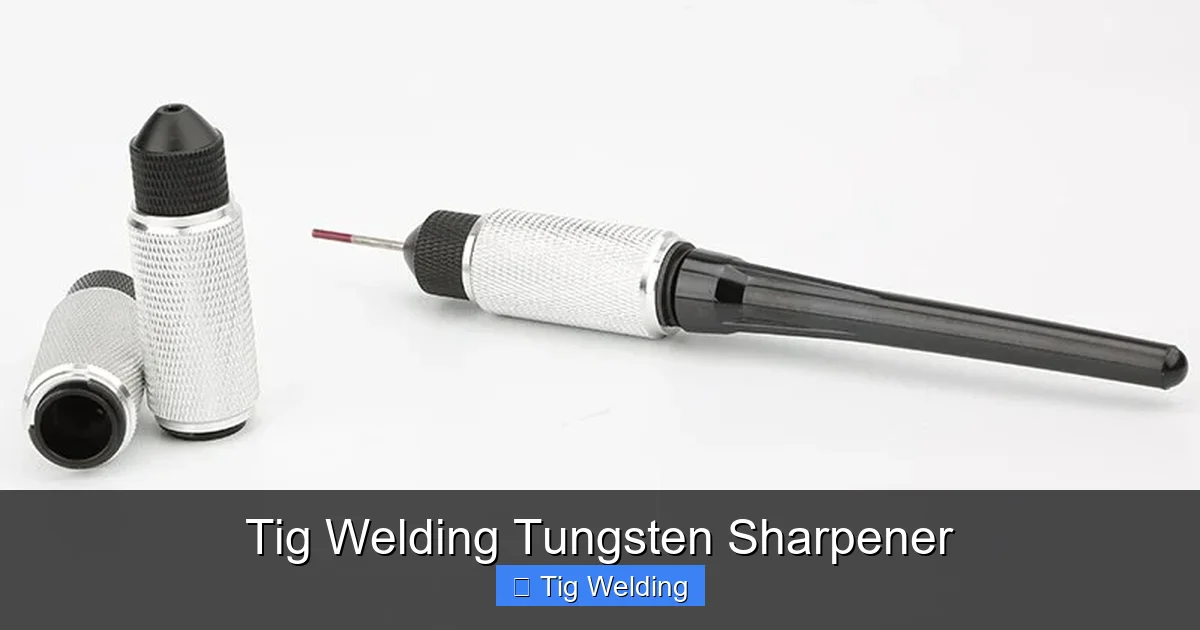
The shape of your tungsten electrode directly influences arc stability. A properly sharpened tungsten produces a focused arc, which is crucial for precision welding. An uneven or dull tip can cause erratic arcs, leading to poor welds or even defects.
Visual guide about Tig Welding Tungsten Sharpener
Image source: images.nexusapp.co
Reducing Contamination
Contaminants like tungsten spatter or oxidation can enter your weld pool, compromising strength and appearance. Regular sharpening keeps the electrode clean and reduces the risk of contamination, ensuring high-quality welds every time.
Extending Electrode Life
Frequent sharpening prevents the electrode from becoming too blunt or uneven, which can cause premature failure. A good tungsten sharpener allows you to reuse electrodes longer, saving money over time.
Types of Tungsten Sharpeners
Manual Tungsten Sharpeners
These are simple, handheld tools that require manual effort. They often consist of a grinding stone or file designed specifically for tungsten. Manual sharpeners are affordable, portable, and great for small jobs or touch-ups.
Visual guide about Tig Welding Tungsten Sharpener
Image source: images.nexusapp.co
Bench-Mounted Tungsten Sharpeners
These are more advanced and provide consistent results. Mounted on a workbench, they often include adjustable angles and grinding wheels, making it easier to achieve precise tips. Ideal for professional shops or serious hobbyists.
Cordless or Electric Tungsten Sharpeners
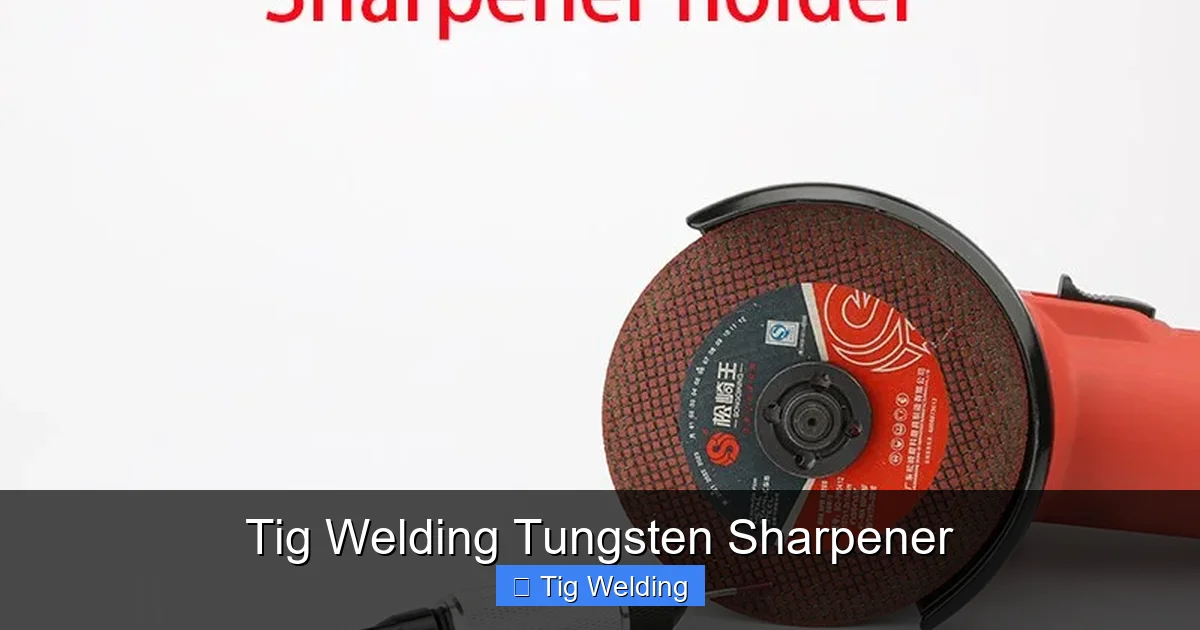
Modern electric sharpeners are battery-operated and offer quick, uniform sharpening at the press of a button. They are portable and convenient, perfect for on-site work or when speed is essential.
Choosing the Right Tungsten Sharpener
Consider Your Electrode Type and Size
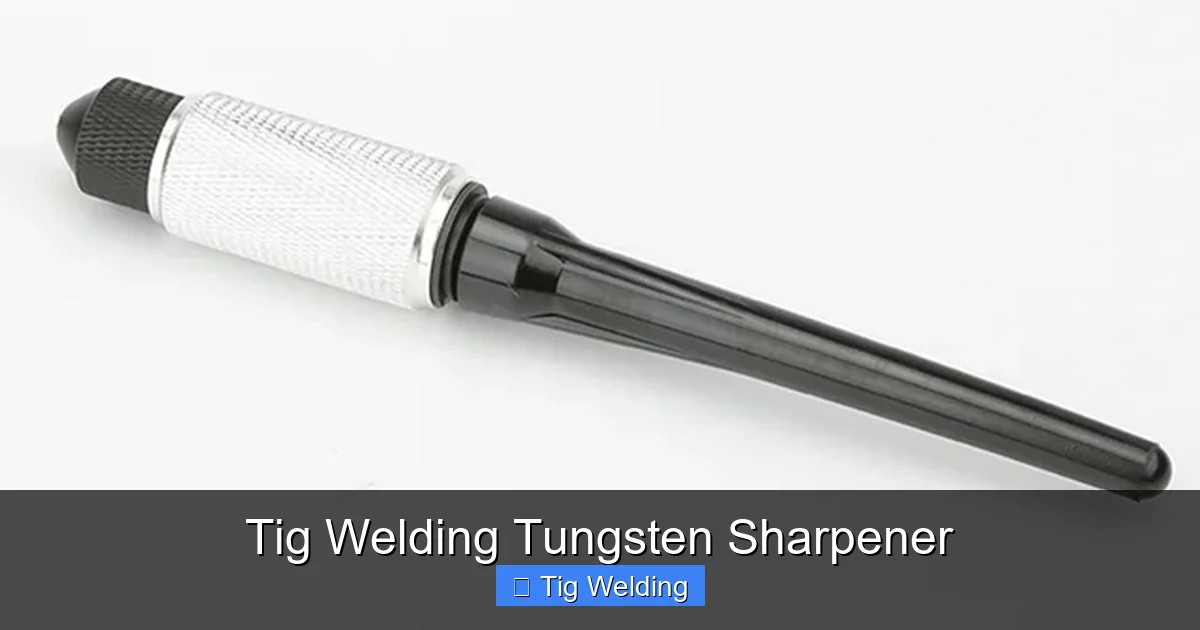
Not all sharpeners work with every tungsten type or size. Check compatibility before purchasing. For instance, thoriated electrodes may require different grinding settings compared to ceriated or lanthanated types.
Visual guide about Tig Welding Tungsten Sharpener
Image source: images.nexusapp.co
Ease of Use and Safety Features
Look for sharpeners with safety guards, stable bases, and simple controls. Ease of handling reduces the risk of accidents and ensures consistent results.
Power Source and Portability
If you work on-site, a cordless or battery-powered sharpener offers mobility. For workshop use, a durable, corded model with adjustable settings may be preferable.
Practical Tips for Sharpening Tungsten Electrodes
- Use the right angle: Typically, a 20-30 degree tip angle provides good arc stability. Adjust based on your application.
- Keep the electrode clean: Remove any dirt or oxidation before sharpening for the best results.
- Sharpen in a well-ventilated area: Grinding produces tungsten dust, which can be hazardous if inhaled.
- Balance the tip: Ensure the tip is symmetrical to prevent arc wandering.
- Regular maintenance: Sharpen electrodes regularly to maintain weld quality and electrode longevity.
Step-by-Step Guide to Using a Tungsten Sharpener
- Secure the electrode: Insert the tungsten into the sharpener’s holder or grip firmly.
- Set the desired angle: Adjust the sharpening angle if your device allows.
- Start the grinder: Turn on the sharpener, keeping the electrode steady.
- Move smoothly: Rotate or move the electrode evenly against the grinding surface for a uniform tip.
- Check the tip: Inspect the shape and make adjustments if necessary.
- Clean and store: Wipe off any dust and store the electrode properly for next use.
Common Mistakes to Avoid
- Over-sharpening: Removing too much material can weaken the electrode and reduce its lifespan.
- Using dull or damaged sharpeners: This leads to uneven tips and poor weld quality.
- Ignoring safety precautions: Always wear safety glasses and a dust mask to protect against tungsten dust.
- Improper angle setting: A wrong tip angle can cause unstable arcs and poor welds.
Conclusion: Investing in a Good Tungsten Sharpener
In TIG welding, the quality of your welds heavily depends on the state of your tungsten electrodes. A reliable tungsten sharpener is an investment that pays off by ensuring consistent performance, reducing waste, and delivering professional results. Whether you prefer a manual tool, a bench-mounted device, or a cordless unit, select one that fits your needs and skill level.
Remember, proper sharpening practices and safety precautions are key to maximizing your electrode lifespan and weld quality. With the right tungsten sharpener and technique, you’ll enjoy more precise, clean, and durable welds every time.
Frequently Asked Questions
What is a TIG welding tungsten sharpener?
A TIG welding tungsten sharpener is a tool designed specifically to shape the tungsten electrode tip for optimal arc stability and weld quality. It ensures electrodes are properly sharpened to maintain consistent welding performance.
Why is sharpening tungsten electrodes important?
Sharpening ensures a focused, stable arc, minimizes contamination, and extends electrode lifespan. It directly affects the quality and appearance of your welds.
What types of tungsten sharpeners are available?
There are manual handheld sharpeners, bench-mounted grinders, and electric cordless sharpeners. Each offers different levels of precision, convenience, and cost.
How do I choose the right tungsten sharpener?
Consider the electrode type and size, ease of use, safety features, and whether you need portability. Matching the sharpener to your specific needs ensures the best results.
How often should I sharpen my tungsten electrodes?
Typically, electrodes should be sharpened after every few welds or when the tip becomes dull or irregular. Regular maintenance improves weld consistency.
Are there safety tips for sharpening tungsten electrodes?
Yes, always wear safety glasses, a dust mask, and work in a well-ventilated area. Proper handling prevents inhalation of tungsten dust and reduces the risk of injury.
