
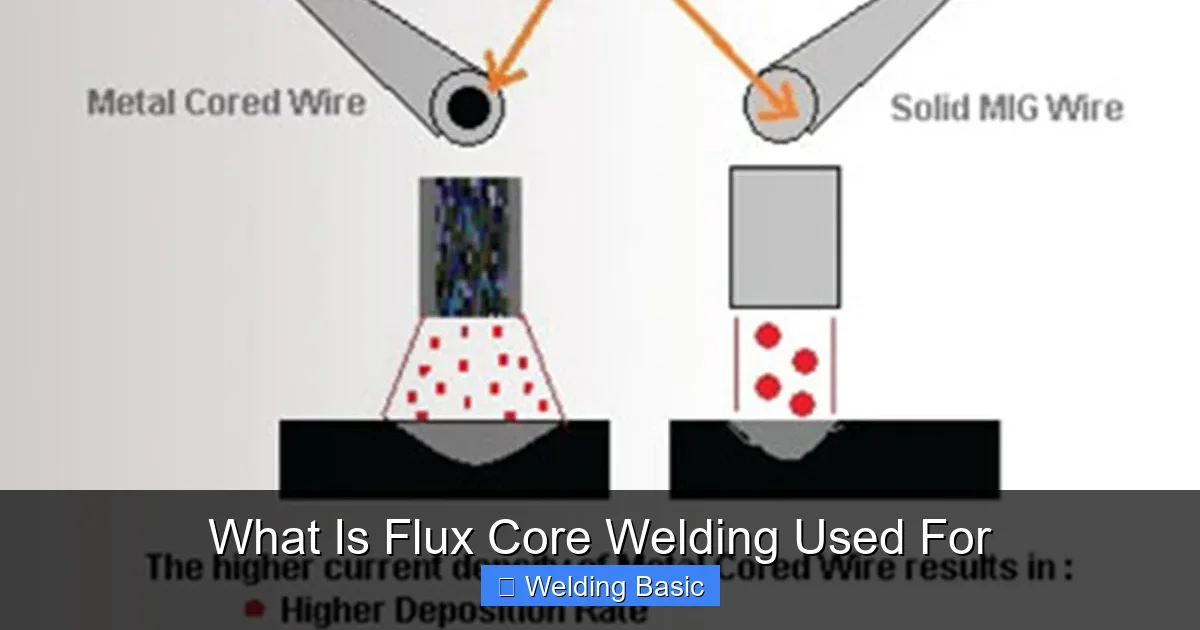
Flux core welding is a versatile, efficient process ideal for outdoor use, heavy materials, and fast repairs. It uses a wire electrode with flux inside to shield the weld, making it great for construction, automotive, and DIY projects without needing external gas.
Key Takeaways
- Outdoor Performance: Flux core welding works well in windy or drafty conditions because it doesn’t rely on external shielding gas.
- Deep Penetration: Ideal for thick materials like steel and iron, providing strong, durable welds.
- High Speed: Faster than many other welding methods, making it popular in industrial and construction settings.
- Portability: No gas cylinders needed, so it’s easier to move and use in remote locations.
- Versatile Applications: Used in construction, automotive repair, farming, and home projects.
- Beginner-Friendly: Easier to learn than TIG welding and more forgiving than stick welding for new welders.
- Cost-Effective: Lower equipment and operating costs compared to MIG or TIG welding setups.
What Is Flux Core Welding Used For?
If you’re new to welding or just exploring different techniques, you might be wondering: What is flux core welding used for? Simply put, flux core welding is a type of arc welding that uses a continuous wire electrode filled with flux to create strong, reliable welds—especially on thick or dirty metals. It’s a go-to method for many professionals and DIYers because it’s fast, portable, and works great in less-than-ideal conditions.
In this guide, you’ll learn exactly what flux core welding is, how it works, and the many real-world applications where it shines. Whether you’re fixing a fence, building a trailer, or working on a construction site, understanding this method can save you time and money. We’ll walk you through the basics, step-by-step uses, tips for success, and common mistakes to avoid.
How Flux Core Welding Works
Before diving into uses, it helps to understand how flux core welding works. Unlike MIG welding, which uses a solid wire and external shielding gas, flux core welding uses a hollow wire electrode filled with flux. When the arc melts the wire, the flux inside burns and creates a gas shield around the weld pool. This protects the molten metal from contaminants like oxygen and nitrogen in the air.
There are two main types of flux core welding:
Self-Shielded Flux Core (FCAW-S)
This type doesn’t need any external gas. The flux does all the shielding, making it perfect for outdoor use where wind might blow away gas. It’s great for construction, shipbuilding, and field repairs.
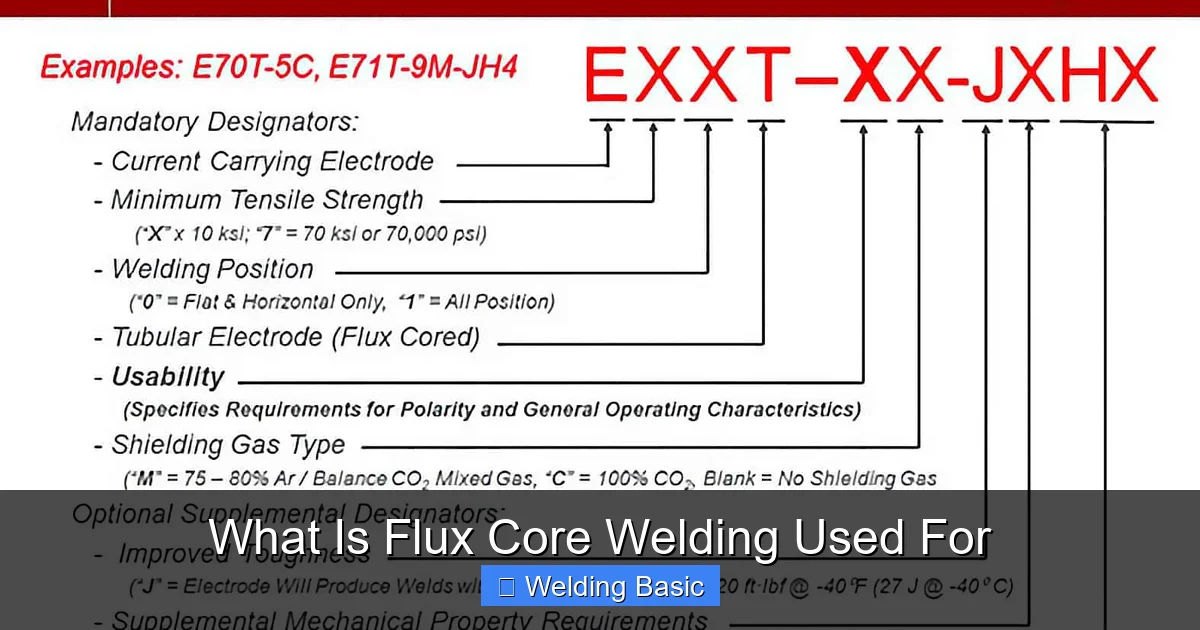
Visual guide about What Is Flux Core Welding Used For
Image source: weldguru.com
Gas-Shielded Flux Core (FCAW-G)
This version uses both flux and an external shielding gas (like CO2 or argon mix). It produces cleaner, smoother welds and is often used in industrial settings where weld quality is critical.
Both types use a wire feeder and a welding gun, similar to MIG welding. The machine feeds the wire automatically, and you control the speed and angle as you weld.
Common Uses of Flux Core Welding
Now that you know how it works, let’s explore the most common uses of flux core welding. This method is incredibly versatile and used across many industries.
1. Construction and Structural Work
Flux core welding is a favorite in construction because it can handle thick steel beams, columns, and frames. The deep penetration ensures strong joints that meet safety standards. Plus, since it doesn’t need gas, crews can weld on-site—even in windy conditions—without delays.

Visual guide about What Is Flux Core Welding Used For
Image source: weldingproperty.com
2. Automotive and Truck Repair
Mechanics use flux core welding to fix frames, exhaust systems, and suspension parts. It’s especially useful for repairing rusted or damaged metal quickly. The high deposition rate means less time welding and more time getting vehicles back on the road.
3. Farm and Ranch Equipment Maintenance
Farmers rely on flux core welding to repair plows, trailers, fencing, and machinery. These tools often face rough conditions and need strong, lasting welds. The portability of flux core setups makes it easy to weld right in the field.
4. DIY and Home Projects
Home welders love flux core welding for building gates, repairing furniture, or crafting metal art. It’s more forgiving than other methods, so beginners can get good results with a little practice. Plus, you don’t need to buy gas tanks, which saves space and money.
5. Shipbuilding and Heavy Fabrication
In shipyards and fabrication shops, flux core welding is used to join thick steel plates. The process is fast and efficient, helping meet tight production schedules. Gas-shielded flux core is often chosen here for its cleaner, stronger welds.
Step-by-Step: How to Use Flux Core Welding
Ready to try flux core welding? Follow these steps to get started safely and effectively.
Step 1: Choose the Right Equipment
You’ll need a flux core-compatible welding machine, a spool of flux core wire (usually 0.030” or 0.035” for beginners), welding gloves, a helmet with auto-darkening lens, and safety gear like a jacket and boots.
Step 2: Set Up Your Machine
Turn on the welder and set the voltage and wire feed speed based on your material thickness. Most machines have a chart inside the door to help. For mild steel, start with medium settings and adjust as needed.
Step 3: Prepare the Metal
Clean the surface with a wire brush or grinder. Remove rust, paint, or oil—flux core can handle some dirt, but clean metal gives the best results. Clamp pieces together to prevent movement.
Step 4: Practice Your Technique
Hold the gun at a 10–15 degree angle and push (not pull) the weld. Move steadily along the joint. Keep the arc short—about 1/4 inch from the metal. Listen for a steady crackling sound; that means you’re doing it right.
Step 5: Inspect and Clean the Weld
After welding, let the metal cool. Chip off the slag (the crusty residue) with a chipping hammer and wire brush. Check for cracks or holes. If needed, add a second pass for strength.
Tips for Better Flux Core Welds
Want cleaner, stronger welds? Try these practical tips:
- Use the Right Wire: For mild steel, choose an E71T-1 or E71T-GS flux core wire. Avoid wires meant for stainless or aluminum unless you’re working with those metals.
- Control Your Speed: Too fast = weak weld. Too slow = burn-through. Find a steady rhythm.
- Watch the Angle: A slight push angle helps with penetration and slag removal.
- Keep the Tip Clean: Flux can clog the contact tip. Replace it if you notice inconsistent wire feeding.
- Practice on Scrap Metal: Before welding your project, test your settings on similar scrap pieces.
Troubleshooting Common Problems
Even experienced welders run into issues. Here’s how to fix the most common flux core welding problems:
Porosity (Holes in the Weld)
This happens when gas gets trapped. Causes include dirty metal, wind, or incorrect voltage. Clean the metal, shield the weld from wind, and adjust your settings.
Excessive Spatter
Spatter is the little blobs of metal that fly out. It’s often caused by too high voltage or too slow wire speed. Lower the voltage or increase the feed speed slightly.
Weak or Incomplete Penetration
If the weld doesn’t fuse deeply, increase voltage or slow down your travel speed. Make sure you’re using the right wire for the material thickness.
Wire Feeding Problems
If the wire jams or feeds unevenly, check for kinks in the spool, a worn liner, or a dirty contact tip. Replace parts as needed.
Flux Core vs. Other Welding Methods
How does flux core compare to MIG, TIG, or stick welding?
- Flux Core vs. MIG: Flux core doesn’t need gas, so it’s better outdoors. MIG gives cleaner welds but requires a gas tank and calm conditions.
- Flux Core vs. TIG: TIG offers precision and beauty but is slow and hard to learn. Flux core is faster and easier for thick materials.
- Flux Core vs. Stick: Stick welding is also good for outdoor use, but flux core is faster and produces less slag.
For most general-purpose welding, flux core strikes a great balance between speed, strength, and ease of use.
Conclusion
So, what is flux core welding used for? It’s a powerful, adaptable method used in construction, automotive repair, farming, and countless DIY projects. Thanks to its deep penetration, wind resistance, and portability, it’s one of the most practical welding techniques available.
Whether you’re a beginner or a seasoned welder, flux core welding can save you time and effort. With the right setup, a little practice, and attention to detail, you’ll be creating strong, reliable welds in no time. Start small, learn the basics, and soon you’ll see why so many people choose flux core for their welding needs.
