

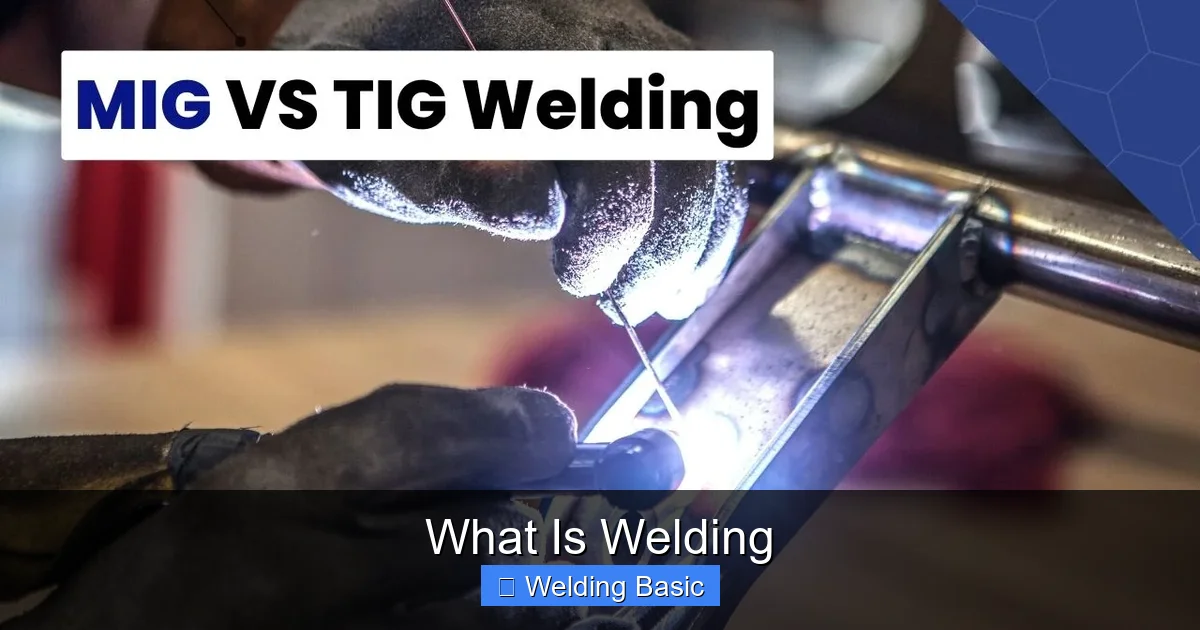
Welding is a process that joins metals using heat, pressure, or both. This guide explains how welding works, the main types of welding, essential tools, and safety tips to get you started safely and effectively.
Key Takeaways
- Welding joins metals: It uses heat or pressure to fuse materials, creating strong, permanent bonds.
- Common types include MIG, TIG, and stick welding: Each method suits different materials, skill levels, and projects.
- Safety is critical: Always wear protective gear like gloves, helmets, and flame-resistant clothing.
- Proper preparation ensures quality welds: Clean metal, set correct settings, and practice on scrap pieces first.
- Welding is used in many industries: From cars and buildings to art and home repairs, welding plays a vital role.
- Beginners should start with MIG welding: It’s easier to learn and ideal for most home and workshop projects.
- Maintenance matters: Keep equipment clean and store it properly to extend its life and ensure safety.
What Is Welding?
Welding is a fabrication process that joins materials—usually metals or thermoplastics—by using high heat to melt the parts and allow them to cool, forming a strong bond. Think of it like using a super-powered glue gun, but instead of glue, you’re melting metal so it fuses together. Welding is used in everything from building bridges and cars to repairing household items and creating metal art.
In this guide, you’ll learn how welding works, the most common types of welding, the tools you’ll need, safety essentials, and how to get started—even if you’ve never touched a welder before. Whether you’re a DIY enthusiast, a student, or someone curious about metalwork, this guide will give you a solid foundation.
How Does Welding Work?
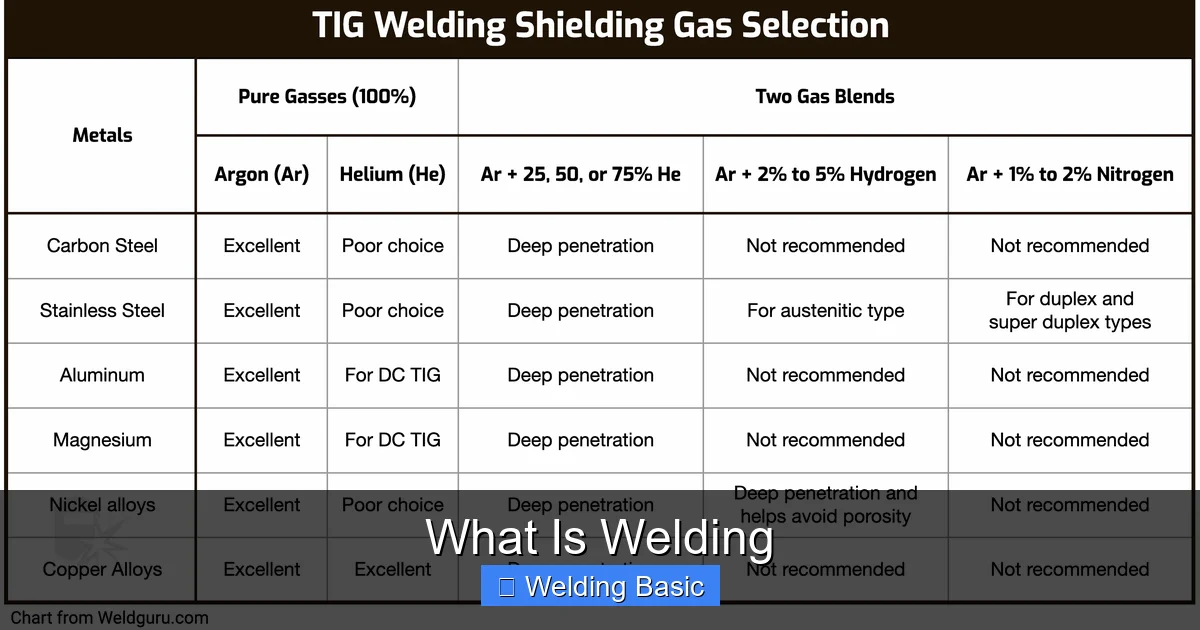
Visual guide about What Is Welding
Image source: weldguru.com
At its core, welding uses heat to melt the base metals at the joint. Once the metals cool, they solidify into one piece. Some methods also use pressure, filler material, or shielding gas to protect the weld from contamination.
Basic Steps in the Welding Process
- Prepare the materials: Clean the metal surfaces to remove rust, paint, or oil. Dirty metal leads to weak welds.
- Set up the equipment: Choose the right welding machine, electrode, or wire, and adjust voltage and amperage.
- Strike an arc or flame: This creates intense heat to melt the metal. In electric welding, this is done with an electrode; in gas welding, with a torch.
- Add filler material (if needed): A welding rod or wire fills the joint and strengthens the bond.
- Shield the weld: Use gas or flux to protect the molten metal from oxygen and nitrogen in the air, which can cause cracks or porosity.
- Cool and inspect: Let the weld cool naturally. Check for cracks, holes, or weak spots.
Types of Welding: Which One Is Right for You?
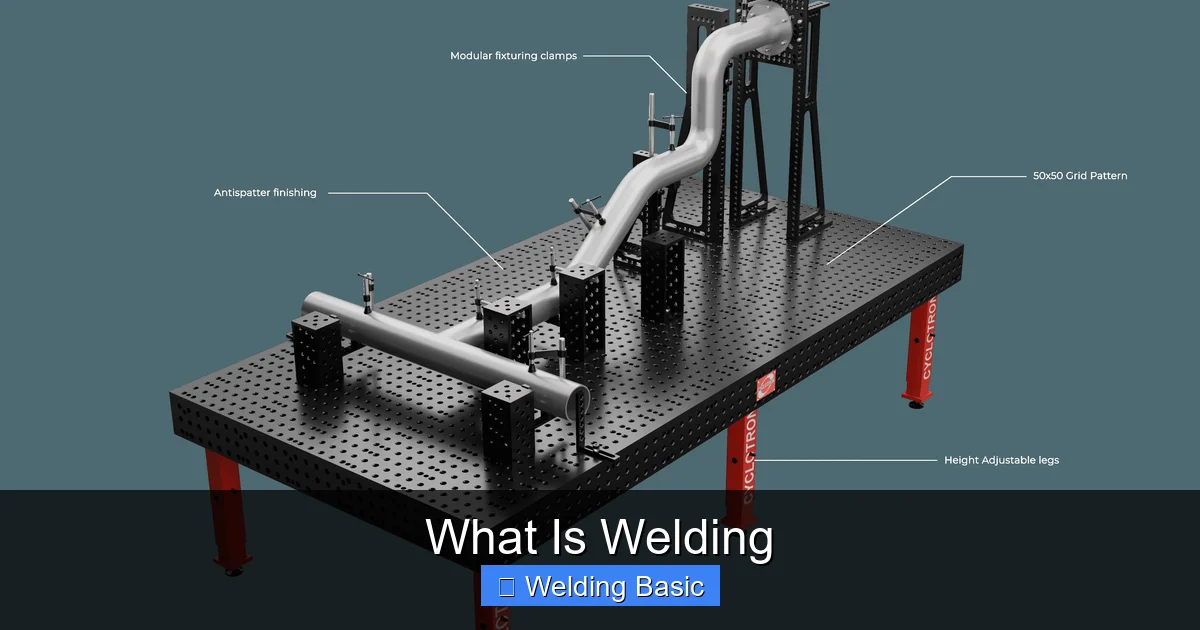
Visual guide about What Is Welding
Image source: weldingtable.in
There are many welding methods, but these four are the most common and beginner-friendly.
MIG Welding (Metal Inert Gas)
MIG welding uses a wire electrode fed through a welding gun, along with a shielding gas like argon or CO₂. It’s fast, clean, and great for beginners.
Best for: Mild steel, stainless steel, and aluminum. Ideal for automotive repair, home projects, and fabrication.
Tip: Use a spool gun for aluminum to prevent wire feeding issues.
TIG Welding (Tungsten Inert Gas)
TIG welding uses a non-consumable tungsten electrode and a separate filler rod. It offers precise control and produces high-quality, clean welds.
Best for: Thin materials, aluminum, and artistic work. Common in aerospace and custom fabrication.
Tip: TIG requires both hands—one for the torch, one for the filler rod—so practice coordination.
Stick Welding (Shielded Metal Arc Welding)
Stick welding uses a consumable electrode coated in flux. It’s rugged, works well outdoors, and handles dirty or rusty metal.
Best for: Heavy-duty repairs, construction, and farm equipment.
Tip: Stick welding creates more spatter, so clean your work area and wear full protection.
Flux-Cored Arc Welding (FCAW)
Similar to MIG, but uses a special wire with flux inside. No external gas needed—great for windy conditions.
Best for: Thick materials and outdoor welding.
Tip: Choose gas-shielded or self-shielded wire based on your environment.
Essential Welding Tools and Equipment
You don’t need a full machine shop to start welding. Here’s a basic list:
- Welding machine: Choose based on the type of welding (MIG, TIG, etc.).
- Welding helmet: Auto-darkening helmets are safer and more convenient.
- Welding gloves: Heat-resistant and durable—never skip these.
- Protective clothing: Flame-resistant jacket, pants, and closed-toe shoes.
- Angle grinder: For cleaning and beveling metal before welding.
- Clamps and magnets: Hold pieces in place while welding.
- Wire brush and chipping hammer: Clean slag and spatter after welding.
Safety First: Welding Safety Tips
Welding can be dangerous if you’re not careful. Follow these safety rules:
Protect Your Eyes and Skin
The bright arc emits UV and infrared radiation. Always wear a welding helmet with the correct shade (usually #10–#13). Wear long sleeves, gloves, and avoid skin exposure.
Ventilate the Area
Welding fumes contain harmful chemicals. Work in a well-ventilated space or use an exhaust fan. Consider a fume extractor for indoor welding.
Fire Prevention
Keep a fire extinguisher nearby. Remove flammable materials like paper, wood, or solvents. Sparks can travel several feet.
Electrical Safety
Check cords for damage. Never weld in wet conditions. Ground your workpiece properly.
Hearing Protection
Some welding processes are loud. Use earplugs or earmuffs if needed.
Step-by-Step: How to Make Your First Weld
Ready to try? Here’s a simple guide using MIG welding—ideal for beginners.
Step 1: Prepare Your Workspace
Clear the area of clutter and flammable items. Set up your welding table and clamp your metal pieces securely.
Step 2: Clean the Metal
Use a wire brush or grinder to remove rust, paint, or oil. Clean metal = strong welds.
Step 3: Set Up the Welder
Plug in your MIG welder. Set the voltage and wire speed according to your metal thickness (check the machine’s chart). Attach the ground clamp to the workpiece.
Step 4: Put on Safety Gear
Helmet, gloves, jacket—suit up before turning on the machine.
Step 5: Practice on Scrap Metal
Hold the gun at a 15–20 degree angle. Pull the trigger and move steadily along the joint. Don’t rush—smooth, consistent motion is key.
Step 6: Inspect Your Weld
Look for a smooth, even bead. If it’s lumpy or has holes, adjust your speed or settings.
Troubleshooting Common Welding Problems
Even pros run into issues. Here’s how to fix the most common ones.
Porosity (Holes in the Weld)
Cause: Contamination or poor shielding gas.
Fix: Clean the metal better. Check gas flow (usually 20–25 CFH). Replace clogged nozzles.
Cracking
Cause: Rapid cooling or dirty metal.
Fix: Preheat thick materials. Use proper filler metal. Let welds cool slowly.
Undercutting (Grooves Along the Weld Edge)
Cause: Too high voltage or fast travel speed.
Fix: Lower voltage. Slow down and maintain a consistent angle.
Spatter (Molten Metal Drops)
Cause: Incorrect settings or dirty metal.
Fix: Adjust voltage/wire speed. Clean metal and use anti-spatter spray.
Weak or Brittle Welds
Cause: Poor penetration or wrong filler.
Fix: Increase heat. Use proper electrode or wire. Ensure good joint fit-up.
Welding Applications: Where Is It Used?
Welding is everywhere. Here are just a few examples:
- Construction: Building skyscrapers, bridges, and pipelines.
- Automotive: Repairing car frames, exhaust systems, and custom builds.
- Aerospace: Assembling aircraft and spacecraft components.
- Manufacturing: Creating machinery, appliances, and tools.
- Art and Sculpture: Artists use welding to create metal installations and furniture.
- Home Repairs: Fixing fences, gates, trailers, and tools.
Tips for Beginners
Starting out? Keep it simple.
- Start with MIG welding: It’s forgiving and easy to learn.
- Practice daily: Even 10 minutes a day builds muscle memory.
- Watch tutorials: YouTube has great free welding lessons.
- Join a class or club: Learn from experienced welders.
- Invest in quality gear: Cheap helmets and gloves can fail when you need them most.
Conclusion
Welding is a powerful skill that opens doors to creativity, repair, and career opportunities. It’s not just about melting metal—it’s about building, fixing, and creating with your hands. With the right tools, safety habits, and a bit of practice, anyone can learn to weld.
Start small, stay safe, and don’t be afraid to make mistakes. Every expert welder began with a shaky first bead. With time and patience, you’ll be joining metal like a pro.
Whether you’re fixing a broken gate or dreaming of building a custom motorcycle, welding gives you the power to make it happen. So grab your helmet, fire up the welder, and start creating.
