

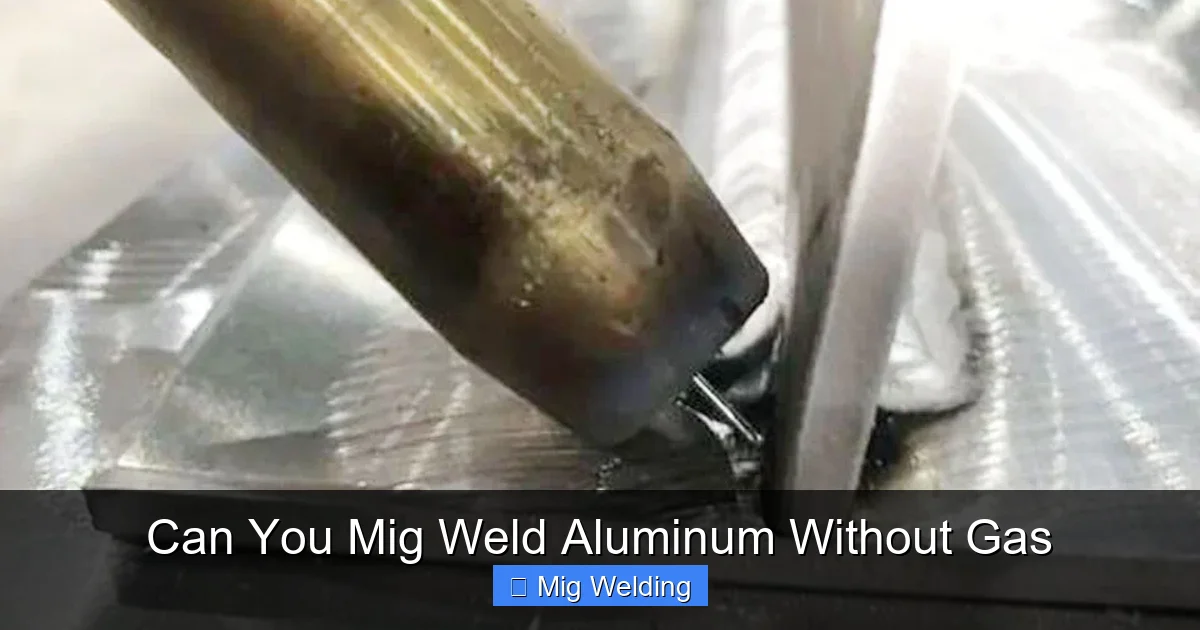
Welding aluminum without gas is possible using alternative techniques like flux-cored or self-shielded wire. This guide explains the steps, tools, and safety tips to help you achieve strong, clean welds without gas shielding. Whether for hobby or repair work, learn how to MIG weld aluminum without gas effectively.
Key Takeaways
- Understanding alternatives: MIG welding aluminum without gas requires specific wire types and techniques.
- Flux-cored wire: Using self-shielded flux-cored wire can eliminate the need for external shielding gas.
- Proper setup: Equipment adjustments, such as wire feed speed and voltage, are crucial for successful gasless welding.
- Clean aluminum: Clean surfaces are vital to prevent contamination and ensure good weld quality.
- Safety first: Always wear protective gear and work in a well-ventilated area.
- Limitations: Gasless MIG welding might not produce as clean or strong welds as traditional methods but can be suitable for certain applications.
- Practice and patience: Gaining skill in gasless aluminum welding takes practice; start with scrap pieces before working on your project.
Introduction
Welding aluminum can sometimes seem intimidating, especially when considering the need for shielding gas. Many welders wonder, “Can you MIG weld aluminum without gas?” The answer is yes, but it requires specific techniques, equipment, and materials. In this guide, we’ll walk you through how to MIG weld aluminum without gas, including the tools you need, step-by-step instructions, tips for success, and common troubleshooting advice. Whether you’re a hobbyist, DIYer, or professional, understanding these methods can expand your welding options and help you tackle projects where gas shielding isn’t practical.
Understanding MIG Welding Aluminum Without Gas
Visual guide about Can You Mig Weld Aluminum Without Gas
Image source: weldingtroop.com
MIG (Metal Inert Gas) welding typically relies on shielding gas to protect the weld from contamination. However, welding without gas is possible by using specialized wire and techniques that self-shield, meaning they generate their own shielding during welding. This approach is often called **flux-cored MIG welding** or **gasless MIG welding**.
**Why Weld aluminum without gas?**
– In situations where gas cylinders are not accessible or portable.
– For outdoor or windy conditions where shielding gas can be blown away.
– For quick repairs or hobby projects.
**Limitations:**
– Gasless MIG welding often produces more spatter.
– The welds may not be as clean or aesthetically perfect.
– It may not be suitable for structural or high-strength applications.
Tools and Materials Needed
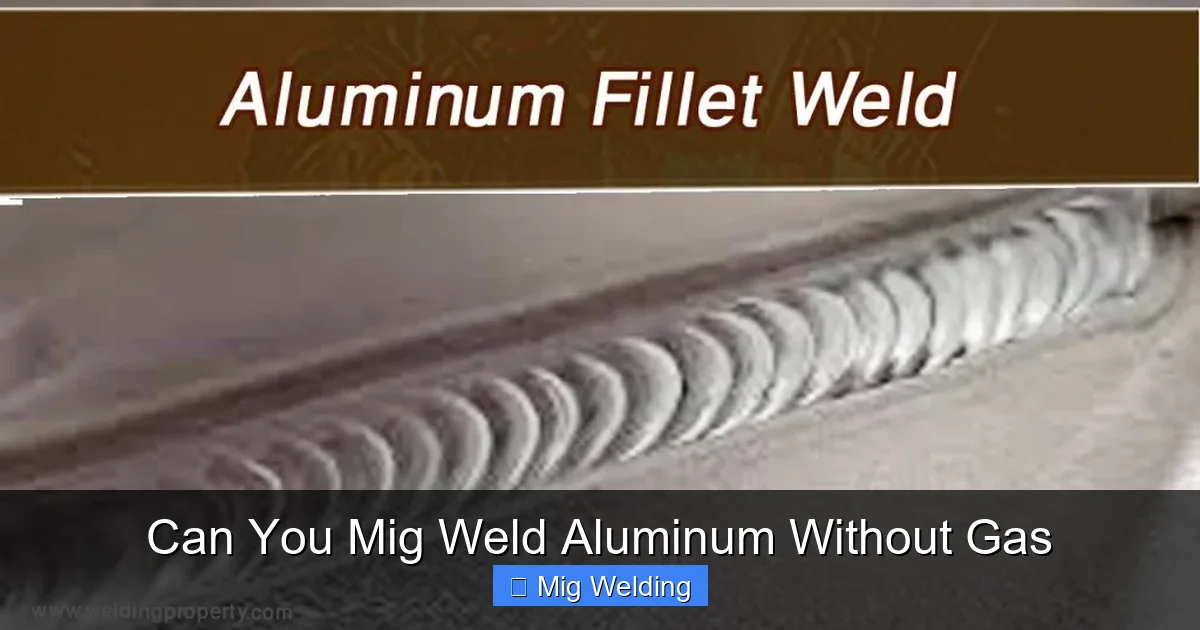
Visual guide about Can You Mig Weld Aluminum Without Gas
Image source: weldingproperty.com
Before starting, gather the right equipment:
1. MIG Welder Capable of Gasless Welding
– Make sure your welder can handle flux-cored wire and has adjustable settings.
– Some welders are specifically designed for gasless operation.
2. Self-Shielded Flux-Cored Aluminum Wire
– Use aluminum-specific flux-cored wire, such as ER4043 or ER5356, designed for self-shielding.
– Ensure the wire size matches your welder specifications—common sizes are 0.035″ or 0.045″.
3. Protective Gear
– Welding helmet with appropriate shade.
– Gloves, apron, and protective clothing.
– Respirator or adequate ventilation for fumes.
4. Cleaning Supplies
– Wire brush or grinder to clean aluminum surfaces before welding.
– Solvent or degreaser to remove oils and contaminants.
5. Clamps and Fixturing Devices
– To hold aluminum pieces securely during welding.
Preparing for Welding
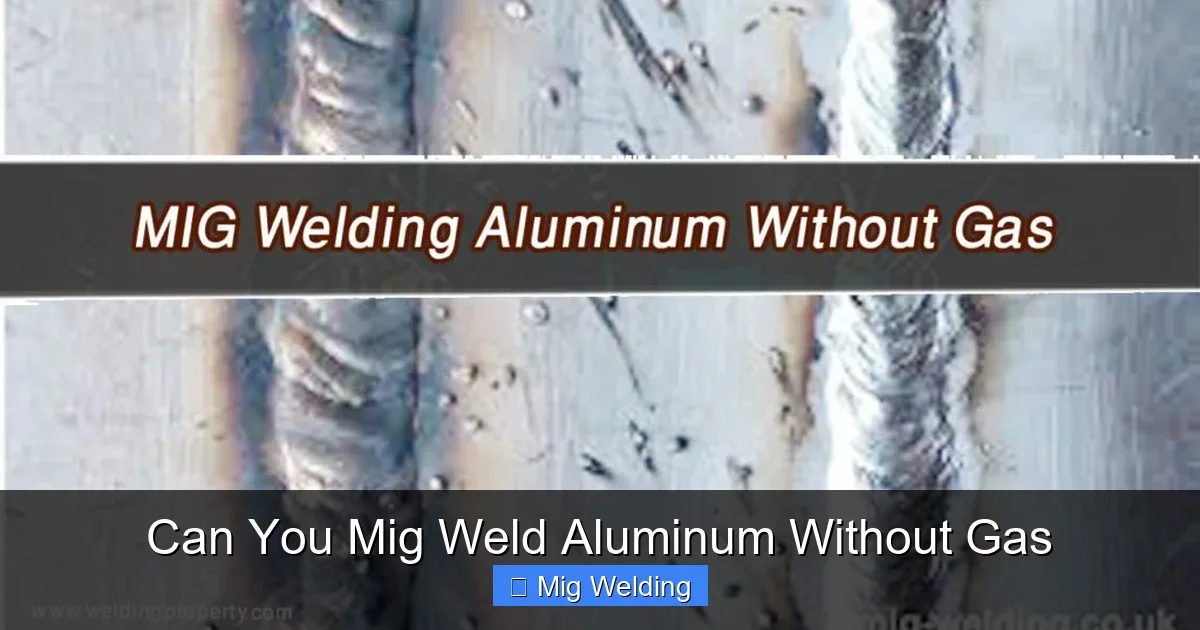
Visual guide about Can You Mig Weld Aluminum Without Gas
Image source: weldingproperty.com
Proper preparation is key for good welds, especially when welding without gas.
Step 1: Choose the Right Aluminum Material
– Use aluminum alloys suited for welding, like 5052 or 6061.
– Avoid aluminum coatings or painted surfaces.
Step 2: Clean the Aluminum Surface
– Use a wire brush or grinder to remove oxidation, dirt, and oils.
– Wipe with a solvent or degreaser for thorough cleaning.
– Ensure the surface is dry before welding.
Step 3: Set Up Your Welder
– Install the self-shielded flux-cored aluminum wire spool.
– Adjust voltage and wire feed speed according to the welder’s manual and wire specifications.
– Use a push technique rather than pulling to improve weld quality.
Step-by-Step Welding Process
1. Set Up Your Workspace
– Work in a well-ventilated area.
– Secure the aluminum pieces with clamps.
– Wear all protective gear.
2. Prepare the Welder
– Load the flux-cored aluminum wire.
– Set the voltage and wire feed speed as per manufacturer recommendations.
– Turn on the welder and set the polarity to direct current electrode positive (DCEP).
3. Practice on Scrap Material
– Before working on your actual project, practice on scrap aluminum to get a feel for the settings and technique.
4. Start Welding
– Hold the welding gun at a 15-20 degree angle.
– Maintain a steady travel speed.
– Keep the arc length short—about the diameter of the wire.
– Use a push technique to direct shielding gases (from flux core) into the weld pool.
5. Monitor and Adjust
– Watch for spatter and adjust settings if necessary.
– Ensure proper fusion and fill without excessive burn-through.
Tips for Successful Gasless Aluminum Welding
– **Keep the aluminum clean** at all times.
– **Use the correct wire diameter** for your project.
– **Adjust your technique** for aluminum, which is more heat-sensitive.
– **Work in a controlled environment** to reduce contamination.
– **Maintain proper travel speed**—moving too slow can cause burn-through, too fast can cause weak welds.
Troubleshooting Common Issues
- Porosity or holes in weld: Ensure surfaces are clean; increase shielding or check wire feed consistency.
- Excess spatter: Adjust voltage or wire speed; reduce travel speed.
- Weak welds or lack of fusion: Increase heat input slightly; ensure proper electrode angle.
- Burn-through: Use lower heat settings; increase travel speed or use thicker material.
Conclusion
Welding aluminum without gas is a practical skill that opens up new possibilities for DIY projects, repairs, or outdoor welding where gas isn’t feasible. By selecting the right wire, preparing your materials properly, and practicing good technique, you can achieve solid welds without relying on shielding gas. Remember, patience and practice are essential. With time, you’ll become proficient in gasless aluminum welding and expand your metalworking capabilities.
Final Tips
– Always prioritize safety and protective gear.
– Start with small test pieces to refine your technique.
– Keep your workspace clean and organized.
– Be patient—gasless welding can be more challenging, but rewarding.
