

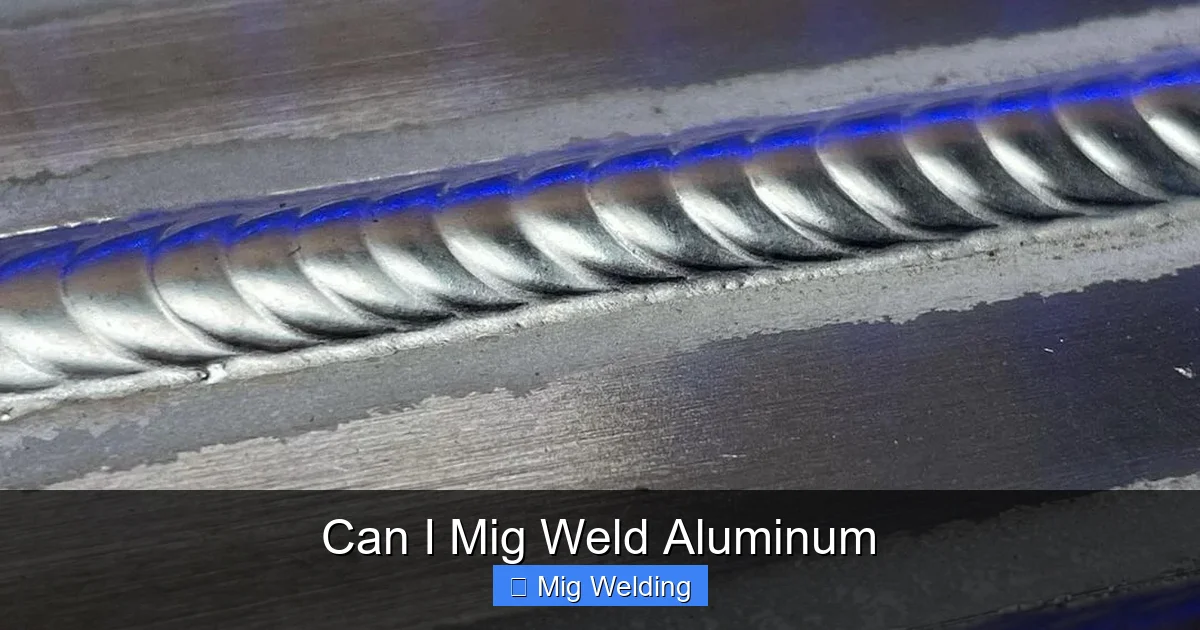
Can I MIG weld aluminum? Yes, you can, but it requires specific equipment, settings, and techniques. This guide walks you through the entire process, from preparing your materials to troubleshooting common issues, ensuring you get strong, clean welds on aluminum.
Can I MIG Weld Aluminum? A Complete How-To Guide
If you’re wondering whether you can MIG weld aluminum, the answer is yes—but with some caveats. Aluminum has unique properties that make it different from steel or other metals. It’s softer, more prone to oxidation, and requires specific equipment and techniques to weld successfully. In this guide, we’ll walk you through everything you need to know to MIG weld aluminum like a pro.
Key Takeaways
- Aluminum welding requires specific equipment: Use a MIG welder capable of handling aluminum and a spool gun for best results.
- Proper shielding gas is essential: Use 100% argon or a mix of argon and helium for clean, strong welds on aluminum.
- Material preparation is crucial: Clean aluminum thoroughly to remove dirt, grease, and oxide layers before welding.
- Adjust your welder settings: Set the correct voltage, wire feed speed, and use the appropriate wire size for aluminum.
- Technique matters: Use a steady hand, proper travel speed, and correct torch angle to achieve good welds.
- Practice and troubleshooting: Expect some trial and error, and know how to fix common problems like porosity or weak welds.
Understanding Aluminum Welding
MIG (Metal Inert Gas) welding, also known as GMAW (Gas Metal Arc Welding), is popular for its ease and speed. While MIG welding is commonly used on steel, it can also be used on aluminum with proper adjustments. Aluminum’s lower melting point and oxide layer demand special attention.
What Equipment Do You Need?
1. A MIG Welder Capable of Aluminum Welding
Not all MIG welders can handle aluminum. Look for a welder that supports spool guns or has a high-duty cycle for aluminum welding. A dedicated spool gun makes feeding soft aluminum wire easier and more reliable.
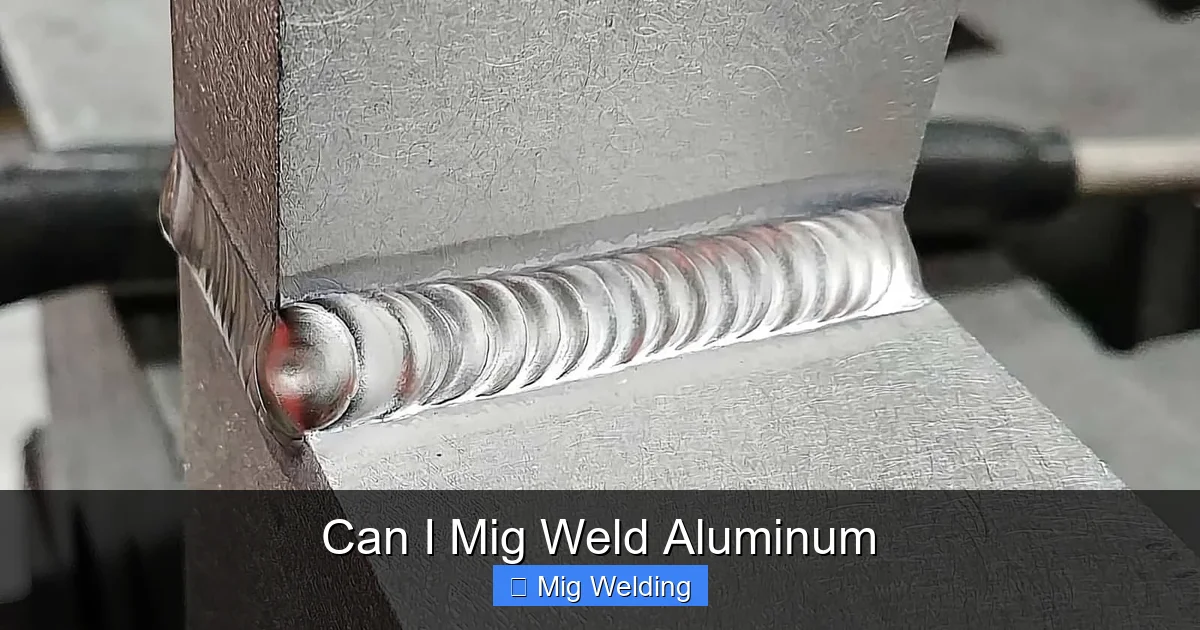
Visual guide about Can I Mig Weld Aluminum
Image source: weldguru.com
2. Spool Gun
This is a crucial accessory for MIG welding aluminum. It feeds the soft aluminum wire smoothly and reduces jams. Many modern MIG welders come with a compatible spool gun.
3. Aluminum Welding Wire
Use 4043 or 5356 aluminum wire, depending on your application. Usually, 0.035-inch diameter wire is common for general welding, but check your welder’s recommendations.
4. Shielding Gas
Use 100% argon for pure aluminum welding. Some prefer a mix of argon and helium to improve weld penetration and appearance.
5. Safety Gear
Always wear a welding helmet, gloves, apron, and respiratory protection. Aluminum fumes can be hazardous.
Preparing Your Materials
1. Clean the Aluminum
Remove dirt, grease, and oil using a degreaser or soap and water. Then, use a stainless steel wire brush dedicated to aluminum to clear the oxide layer. Never use a wire brush that has been used on steel, as it can cause contamination.
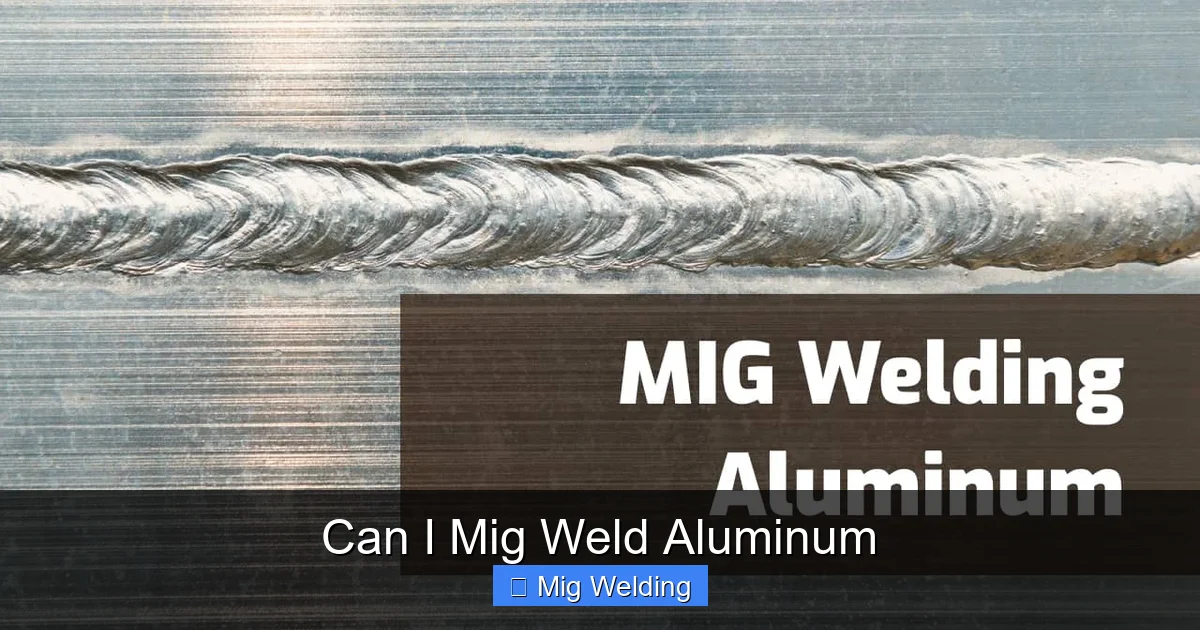
Visual guide about Can I Mig Weld Aluminum
Image source: weldguru.com
2. Cut and Fit the Pieces
Ensure your pieces are cut accurately and fit tightly. Use clamps to hold parts steady during welding.
Setting Up Your Welder
1. Select the Right Wire and Gas
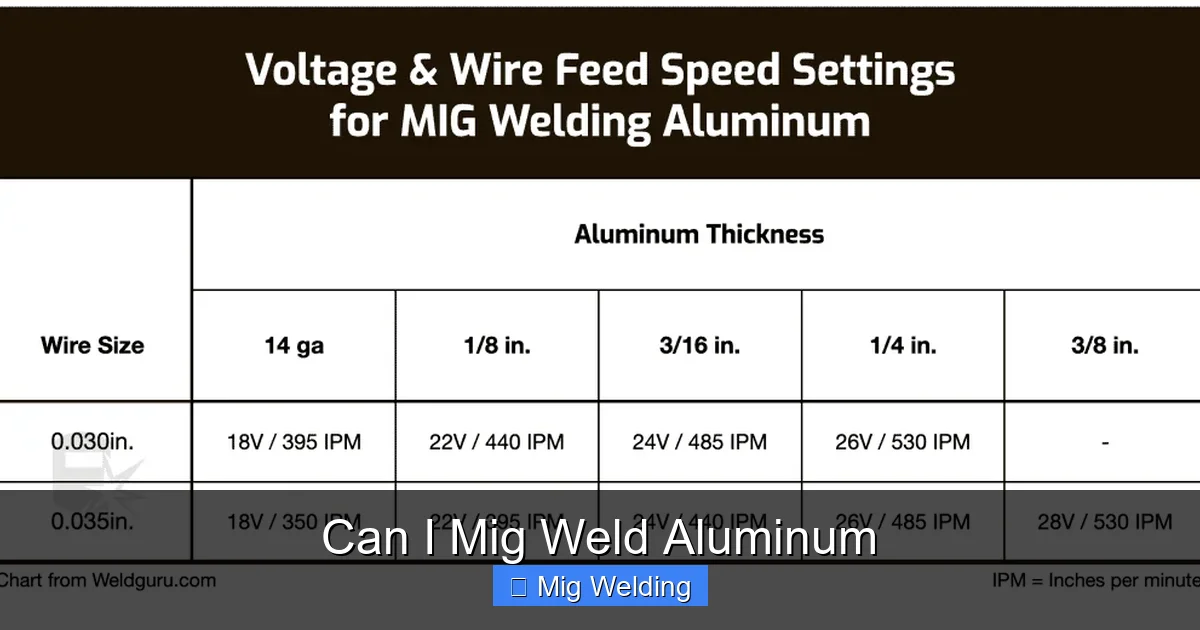
Install the aluminum wire spool onto your spool gun or welder. Set the gas flow rate to around 20-30 CFH (cubic feet per hour). Adjust the wire feed speed and voltage according to your material thickness and wire size.
Visual guide about Can I Mig Weld Aluminum
Image source: weldguru.com
2. Adjust the Welding Parameters
For 0.035-inch wire, start with a voltage of around 17-20V and a wire feed speed of 300-400 IPM. These settings vary depending on your equipment and the aluminum thickness.
Welding Technique
1. Positioning
Hold the torch at a 15-20 degree angle. Keep a steady hand and consistent travel speed. Practice on scrap pieces if needed.
2. Starting the Weld
Begin with a short arc to avoid burn-through. Maintain a steady arc length—about the diameter of the wire.
3. Moving Along
Move at a consistent pace. Too slow causes excess heat, leading to warping, while too fast results in weak welds.
4. Overlapping Passes
If welding thicker materials, make multiple passes, cleaning the weld area between each pass.
Common Issues and Troubleshooting
- Porosity or holes: Caused by contaminated material or improper shielding gas. Ensure thorough cleaning and proper gas flow.
- Weak welds or lack of fusion: Increase heat or wire feed speed. Verify proper torch angle and movement.
- Porous or rough weld appearance: Adjust shielding gas flow and check for drafts. Use clean, dry aluminum.
- Burn-through: Reduce heat or increase travel speed on thinner materials.
Conclusion
MIG welding aluminum is definitely possible and can produce strong, clean welds when you use the right equipment, preparation, and technique. Remember to clean your materials well, set your welder correctly, and practice consistently. Over time, you’ll develop the skills needed to weld aluminum confidently and successfully.
Whether you’re repairing a boat, building custom parts, or working on a hobby project, MIG welding aluminum opens up many possibilities. Just take your time, follow safety precautions, and keep practicing!
