

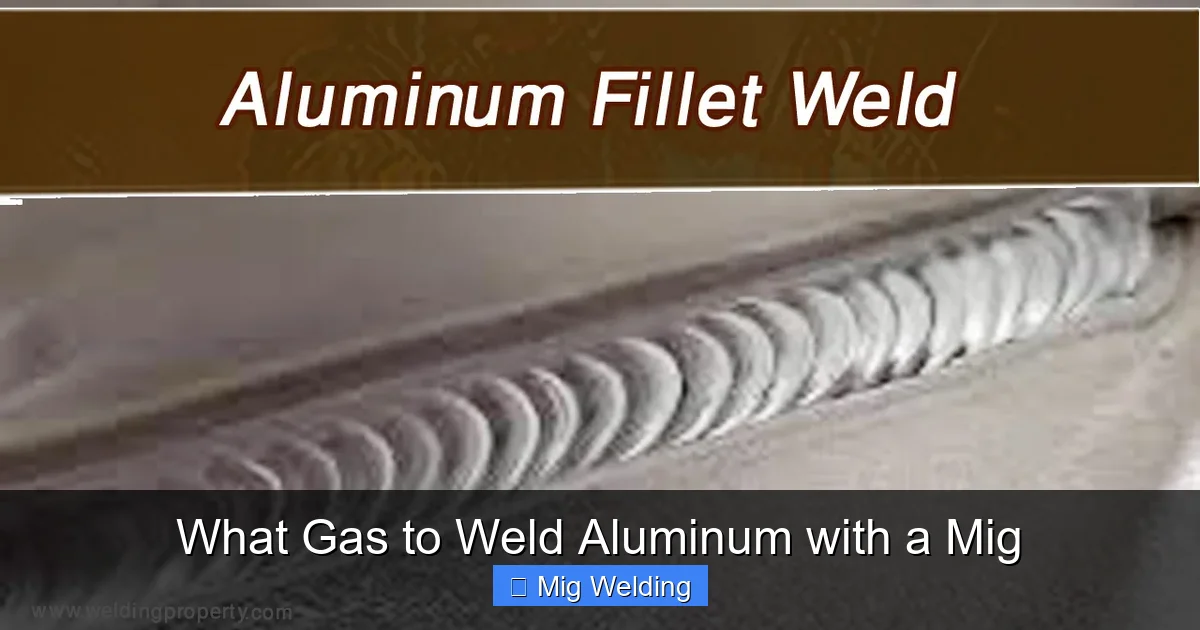
Welding aluminum with a MIG welder requires the right shielding gas for strong, clean results. Typically, 100% argon or a mixture of argon and CO2 is used. This guide will walk you through choosing the best gas, setup tips, and troubleshooting to achieve professional-quality aluminum welds.
What Gas to Weld Aluminum with a MIG
If you’re looking to weld aluminum with a MIG welder, one of the most important choices you’ll make is selecting the right shielding gas. The gas protects the weld pool from contamination, ensuring strong, clean, and corrosion-resistant welds. In this comprehensive guide, we’ll explore what gas to weld aluminum with, how to set up your equipment, and tips for achieving professional results.
Key Takeaways
- Use 100% Argon: Argon is the most common shielding gas for MIG welding aluminum, providing a smooth, stable arc.
- Consider a Mixture: A mix of argon and helium or CO2 can improve weld penetration and reduce spatter.
- Adjust Settings: Use the correct wire type, feed rate, and voltage settings for aluminum welding.
- Use the Right Equipment: Ensure your MIG welder is compatible with aluminum and has proper spool guns if needed.
- Prepare the Surface: Clean aluminum thoroughly to remove oxidation and contaminants for best results.
- Troubleshoot Common Issues: Address porosity, spatter, or weak welds by adjusting gas flow, wire feed, and technique.
Understanding the Basics of MIG Welding Aluminum
MIG (Metal Inert Gas) welding, also known as GMAW (Gas Metal Arc Welding), involves feeding a continuous wire electrode through a welding gun while shielding it with a protective gas. Aluminum, a lightweight and highly reactive metal, requires specific conditions to weld properly. Choosing the right shielding gas is crucial because it influences arc stability, weld quality, and appearance.
Why Is Shielding Gas Important?
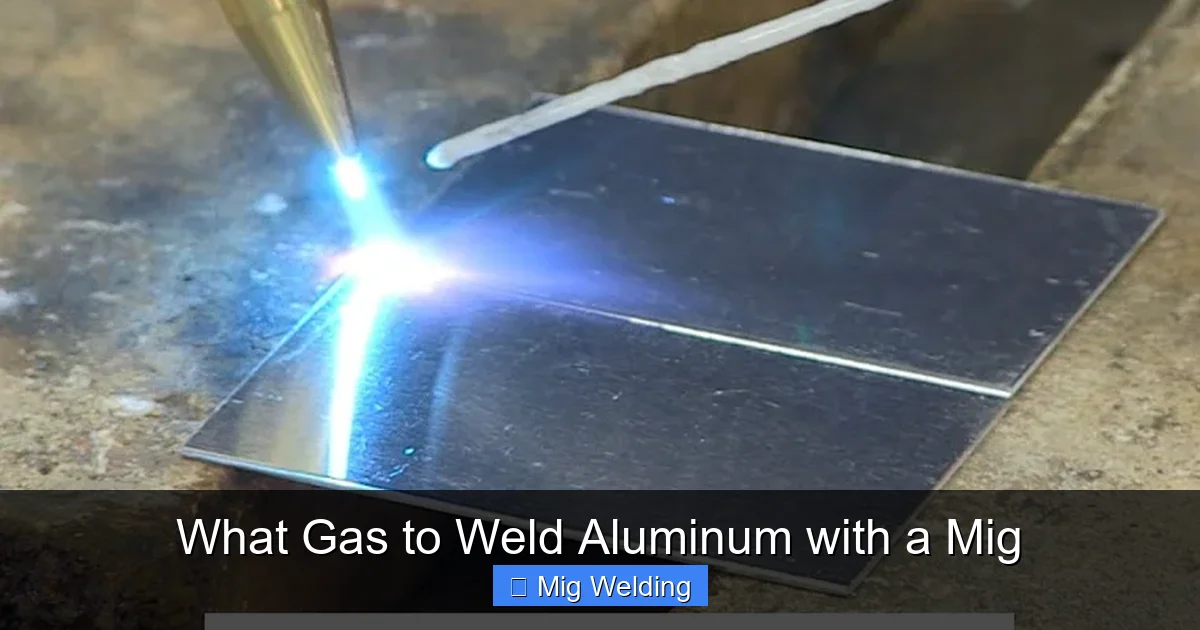
The shielding gas forms a protective barrier around the weld pool, preventing atmospheric gases like oxygen and nitrogen from causing defects such as porosity, oxidation, and weak welds. Aluminum’s high reactivity makes it especially sensitive to contamination, so selecting the correct shielding gas is vital for a successful weld.
Visual guide about What Gas to Weld Aluminum with a Mig
Image source: diecasting-mould.com
Common Gases Used to Weld Aluminum in MIG
Several gases can be used for MIG welding aluminum, but the most common are:
Visual guide about What Gas to Weld Aluminum with a Mig
Image source: weldguru.com
- 100% Argon
- Argon-Helium Mixtures
- Argon-CO2 Mixtures
Each has its advantages and ideal applications. Let’s explore these options in detail.
What Gas to Weld Aluminum with a MIG: The Best Choices
1. 100% Argon
This is the most popular and widely used shielding gas for MIG welding aluminum. Argon provides a stable arc, good weld quality, and excellent bead appearance. It’s suitable for thin and medium-thickness aluminum work and is easy to use for beginners.
Visual guide about What Gas to Weld Aluminum with a Mig
Image source: weldguru.com
Advantages: Simple, affordable, reliable, produces smooth welds.
Best for: Automotive, hobbyist projects, thin sheets, and general aluminum welding.
2. Argon-Helium Mixture
Adding helium to argon increases heat input and improves penetration. Helium also helps in achieving a more fluid weld pool, making it ideal for thicker aluminum sections.
Typical mixture: 75% argon / 25% helium or 70% argon / 30% helium.
Advantages: Better penetration, faster welding speeds, smoother bead.
Best for: Structural aluminum, thicker materials, high-quality welds.
3. Argon-CO2 Mixture
While pure CO2 is not suitable for aluminum, a mixture of argon and CO2 (like 98% argon / 2% CO2) can be used in some cases, but it’s less common. Pure CO2 is more reactive and can cause porosity in aluminum welds, so it’s generally not recommended.
Note: For aluminum, stick to pure argon or argon-helium mixes.
Step-by-Step Guide to Welding Aluminum with MIG
Step 1: Gather the Right Equipment
- MIG welder compatible with aluminum
- Aluminum welding wire (usually 4043 or 5356 alloy)
- Proper shielding gas (see above)
- Spool gun or push-pull gun (recommended for consistency)
- Clean, prepared aluminum surface
- Personal protective equipment (PPE): gloves, helmet, respirator.
Step 2: Prepare Your Workspace and Materials
Clear the area of debris and ensure proper ventilation. Clean the aluminum thoroughly with a wire brush or chemical cleaner to remove oxidation and contaminants. Use a dedicated aluminum brush — never use the same brush for steel or other metals.
Step 3: Set Up Your Equipment
- Install the aluminum wire spool on your MIG welder or spool gun.
- Connect the shielding gas— make sure you’re using 100% argon or your chosen mixture.
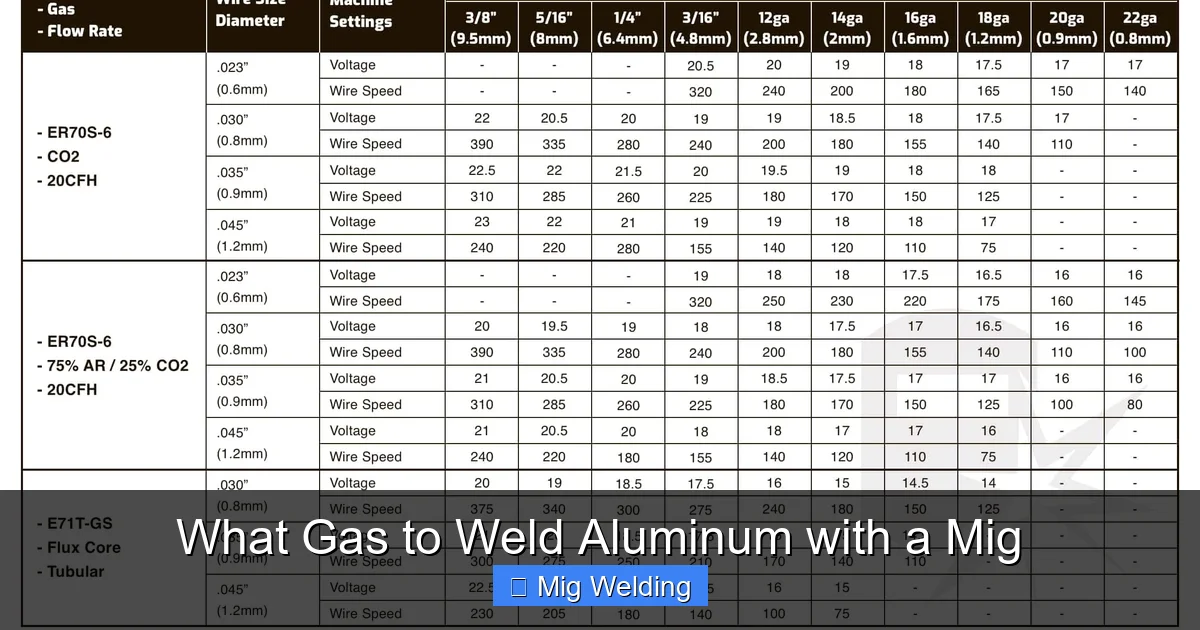
- Adjust the gas flow rate — typically 20-40 CFH (cubic feet per hour).
- Set your wire feed speed based on the thickness of aluminum and wire diameter (consult your welder’s manual).
- Set the voltage — usually slightly higher than for steel, but follow manufacturer recommendations.
Step 4: Practice and Test
Before welding your actual project, do some test runs on scrap aluminum. Adjust your settings as needed to achieve a smooth, consistent bead with minimal spatter and good penetration.
Step 5: Begin Welding
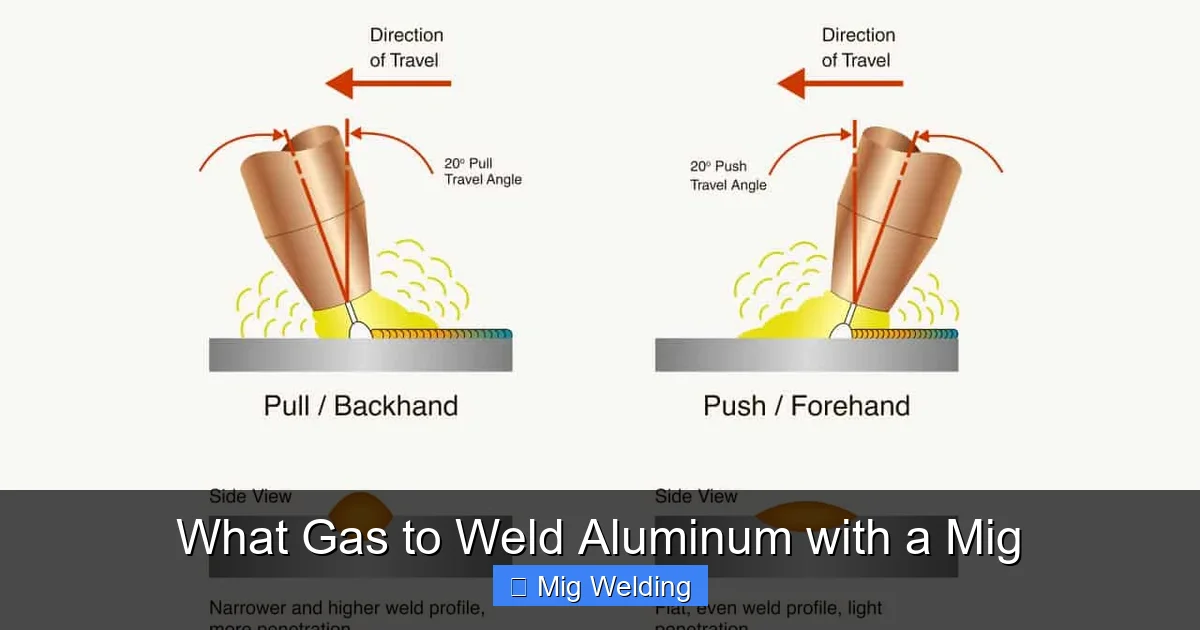
- Position the gun at a 10-15 degree angle relative to the workpiece.
- Maintain a steady travel speed to ensure even welds.
- Use a push (drag) technique — pushing the gun forward provides better shielding and weld quality.
- Keep the arc length short for better control and appearance.
Step 6: Finishing Up
Let the weld cool naturally. Clean the weld area if needed, and inspect for porosity, cracks, or other defects. Use a wire brush or grinder to smooth rough welds if desired.
Practical Tips for Better Aluminum MIG Welding
- Use the correct wire diameter: 0.035” or 0.045” wires are common for aluminum MIG welding.
- Maintain consistent travel speed: moving too slow can cause burn-through; too fast may result in weak welds.
- Keep your equipment clean: clean all parts regularly to prevent contamination.
- Control heat input: too much heat can cause warping or burn-through; too little results in poor penetration.
- Practice good technique: steady hand and consistent motion lead to better welds.
Troubleshooting Common Issues
Porosity in Welds
This often results from contaminated surface or inconsistent shielding gas flow. Ensure your surface is clean and check for leaks in your gas line.
Spatter and Excessive Burn-Through
Adjust your wire feed, voltage, and travel speed. Use proper shielding gas and avoid excessive heat.
Weak or Inconsistent Welds
Check your equipment setup, ensure proper wire feeding, and maintain steady movement during welding.
Conclusion
Welding aluminum with a MIG welder is easier when you use the right shielding gas. Most welders prefer 100% argon or an argon-helium mix for the best results. Proper preparation, equipment setup, and technique are key to achieving strong, clean welds. With practice and the right gas, you’ll be welding aluminum like a pro in no time.
Final Tips
Always test your setup on scrap before starting your project. Keep your workspace clean and your equipment maintained. Remember, patience and practice are essential for mastering aluminum MIG welding.
