

You cannot effectively TIG weld without shielding gas—it’s essential for protecting the weld pool from contamination. While some claim to use makeshift methods, skipping gas leads to weak, porous welds and equipment damage.
Key Takeaways
- Shielding gas is mandatory: TIG welding relies on inert gas (like argon) to prevent oxidation and contamination of the molten weld pool.
- No gas = poor weld quality: Without gas, welds become porous, brittle, and prone to cracking due to atmospheric contamination.
- Equipment damage risk: Running a TIG torch without gas can overheat the tungsten electrode and damage the collet and nozzle.
- Flux-cored TIG doesn’t exist: Unlike MIG or stick welding, there’s no flux-based TIG process that eliminates the need for external gas.
- Alternatives require gas too: Even pulsed or AC TIG welding still requires shielding gas to function properly.
- Use a gas lens for better flow: If gas supply is limited, optimize delivery with a gas lens cup to maximize coverage and efficiency.
- Safety first: Always ensure proper ventilation and gas handling—never attempt to TIG weld in enclosed spaces without gas monitoring.
Can You TIG Weld Without Gas? The Truth Explained
If you’re new to TIG welding or just curious about cutting corners, you might be wondering: *Can you TIG weld without gas?* It’s a common question, especially for DIYers or hobbyists looking to save money or simplify their setup. The short answer is **no—you cannot TIG weld effectively without shielding gas**. While some welders have tried improvising, the results are almost always disappointing and potentially dangerous.
In this guide, we’ll dive deep into why shielding gas is non-negotiable in TIG welding, what happens when you skip it, and whether any alternatives exist. You’ll also learn how to optimize your gas usage, troubleshoot common issues, and make the most of your TIG welding setup—safely and efficiently.
Why Shielding Gas Is Essential in TIG Welding
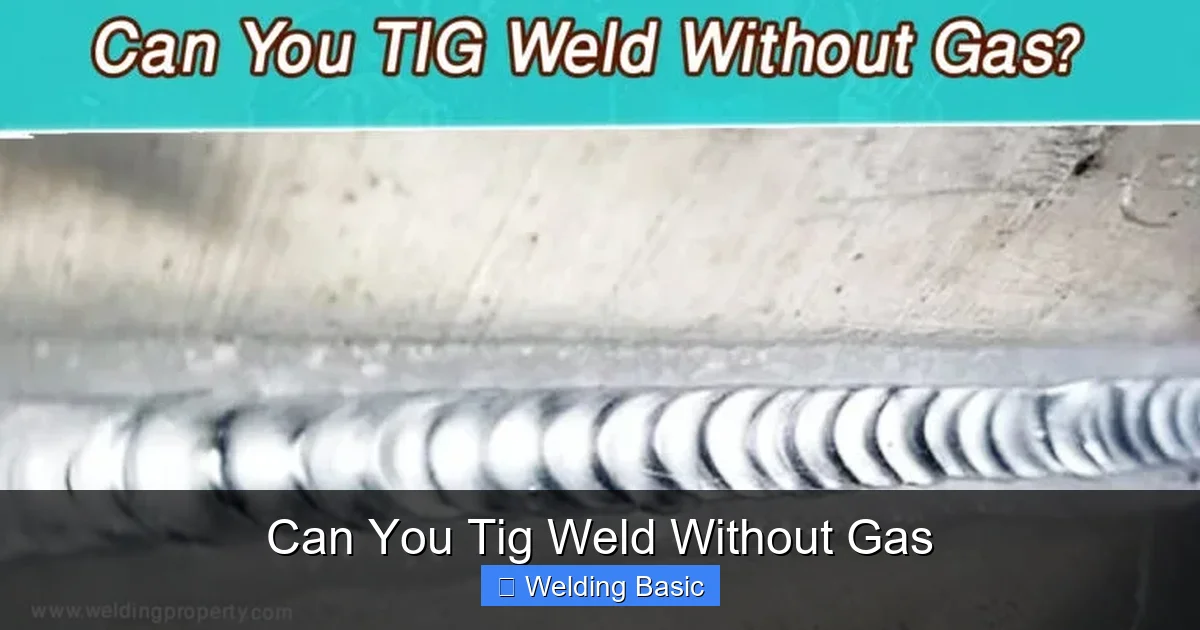
Visual guide about Can You Tig Weld Without Gas
Image source: weldingproperty.com
TIG welding, or Tungsten Inert Gas welding, uses a non-consumable tungsten electrode to create an arc that melts the base metal. A separate filler rod is manually added to the weld pool. The key to a clean, strong weld is protecting that molten pool from the surrounding air.
Oxygen and nitrogen in the atmosphere react with hot metal, causing oxidation, porosity, and brittleness. Shielding gas—typically argon or a mix of argon and helium—creates a protective bubble around the weld zone, preventing contamination.
How Shielding Gas Works
When you strike an arc, the gas flows from the torch nozzle and forms a blanket over the weld pool. This inert environment allows the metal to cool and solidify without reacting with air. Without this protection, even a perfect technique will produce a weak, ugly weld.
Common Shielding Gases Used
- Argon: The most popular choice for TIG welding. It’s stable, provides good arc control, and works well on steel, stainless steel, and aluminum.
- Helium: Often mixed with argon (e.g., 75% argon / 25% helium) for thicker materials or higher heat input. Helium increases penetration but can make the arc less stable.
- Argon-Hydrogen Mix: Used only for stainless steel in specific applications. Hydrogen improves heat transfer but can cause porosity in other metals.
What Happens If You Try to TIG Weld Without Gas?
Visual guide about Can You Tig Weld Without Gas
Image source: weldinginto.com
Some welders have experimented with running their TIG torch without gas, especially in a pinch or when gas runs out. Here’s what typically happens:
1. Immediate Contamination of the Weld Pool
The moment the arc strikes, the molten metal reacts with oxygen and nitrogen in the air. This creates oxides and nitrides that trap gas bubbles in the weld, leading to porosity. The result? A weak, spongy weld that may look okay on the surface but fails under stress.
2. Tungsten Electrode Degradation
The tungsten electrode is designed to operate within a shielded environment. Without gas, it quickly oxidizes and becomes contaminated. You’ll notice the tip turning black, pitted, or even melting. This not only ruins the electrode but can also transfer tungsten particles into the weld, causing inclusions and further weakening the joint.
3. Collet and Nozzle Damage
Running the torch without gas causes excessive heat buildup. The collet (which holds the electrode) and the ceramic nozzle can overheat and crack. This leads to costly replacements and downtime.
4. Poor Arc Stability and Control
Shielding gas helps stabilize the arc. Without it, the arc becomes erratic, difficult to control, and may even extinguish frequently. This makes precise welding—especially on thin materials—nearly impossible.
Are There Any Alternatives to Using Gas?
You might be thinking: *Isn’t there a flux or self-shielding option like in stick or MIG welding?* Unfortunately, **no such option exists for TIG welding**.
Why Flux Doesn’t Work with TIG
Flux is used in stick and flux-cored MIG welding to create a protective slag layer over the weld. However, TIG welding relies on a clean, visible arc and precise control. Adding flux would obscure the weld pool, contaminate the tungsten, and defeat the purpose of the process.
There is no “self-shielding” TIG wire or electrode. Every reputable TIG setup requires external shielding gas.
What About Vacuum or Chamber Welding?
In highly specialized industrial applications, welds are performed inside vacuum chambers (electron beam welding) or inert gas-filled chambers. But these are expensive, complex systems—not practical for home or workshop use.
Can You Use Less Gas or Optimize Gas Usage?
While you can’t eliminate gas, you can use it more efficiently. Here’s how:
Use a Gas Lens
A gas lens replaces the standard collet body and improves gas flow by laminar (smooth) delivery. It provides better coverage with less turbulence, allowing you to reduce gas flow rates without sacrificing protection.
Choose the Right Cup Size
Larger ceramic cups (e.g., #8 or #12) provide wider gas coverage, which is helpful for out-of-position welding or when using a gas lens. Smaller cups are fine for tight spaces but offer less protection.
Maintain Proper Gas Flow Rate
Too little gas won’t protect the weld. Too much causes turbulence and waste. A flow rate of 15–20 CFH (cubic feet per hour) is typical. Use a flowmeter to monitor and adjust.
Minimize Drafts and Wind
Even with gas, air currents can disrupt the shielding. Weld indoors when possible, or use windbreaks. Avoid fans or open windows near your work area.
Step-by-Step: Setting Up for Proper TIG Welding with Gas
Follow these steps to ensure a clean, gas-protected TIG weld:
1. Check Your Gas Supply
Ensure your argon cylinder is full and the regulator is functioning. Open the valve slowly and set the flow rate using the flowmeter.
2. Inspect the Torch and Consumables
Make sure the collet, collet body, ceramic nozzle, and tungsten electrode are clean and properly installed. A damaged nozzle can disrupt gas flow.
3. Set the Correct Gas Flow
Start with 15–20 CFH. Adjust based on material thickness and welding position. Thicker materials may need slightly higher flow.
4. Pre-Flow Gas
Turn on the gas 0.5–1 second before striking the arc. This purges air from the torch and ensures immediate protection.
5. Post-Flow Gas
Keep the gas flowing for 5–10 seconds after extinguishing the arc. This protects the hot tungsten and cooling weld pool.
6. Maintain Proper Torch Angle and Distance
Hold the torch at a 10–15 degree angle and keep the nozzle 1/4 to 1/2 inch above the workpiece. This ensures optimal gas coverage.
Troubleshooting Common Gas-Related Issues
Even with gas, problems can occur. Here’s how to fix them:
Porosity in the Weld
- Cause: Insufficient gas flow, leaks in the hose, or drafts.
- Fix: Check for loose connections, increase flow rate slightly, and shield the weld area from air movement.
Black or Discolored Tungsten
- Cause: Electrode touching the weld pool or inadequate gas coverage.
- Fix: Never let the tungsten touch the metal. Use a sharper grind and ensure proper gas flow.
Erratic Arc or Frequent Extinguishing
- Cause: Contaminated tungsten or poor gas shielding.
- Fix: Re-grind the tungsten to a clean, pointed tip. Verify gas flow and check for leaks.
Safety Tips When Using Shielding Gas
While argon is non-toxic, it can displace oxygen in confined spaces. Follow these safety practices:
- Always weld in a well-ventilated area.
- Never store gas cylinders in direct sunlight or near heat sources.
- Secure cylinders upright with chains or straps.
- Use a flashback arrestor on the regulator for added safety.
- Wear proper PPE: welding helmet, gloves, and flame-resistant clothing.
Conclusion: Gas Is Not Optional in TIG Welding
To answer the question directly: **No, you cannot TIG weld without gas**—at least not if you want strong, clean, professional results. Shielding gas is the backbone of the TIG process, protecting the weld from contamination, stabilizing the arc, and preserving your equipment.
While it may be tempting to skip gas to save money or simplify your setup, the risks far outweigh any short-term benefits. Poor welds, damaged torches, and safety hazards are all likely outcomes.
Instead, focus on using gas efficiently: invest in a gas lens, maintain proper flow rates, and protect your work area from drafts. With the right setup and technique, TIG welding produces some of the cleanest, strongest welds in the industry—just as long as you don’t forget the gas.
