

Argon regulator TIG welding is essential for controlling the flow of argon gas during welding. Proper regulation ensures high-quality welds, better gas efficiency, and safety. This guide covers everything you need to know about choosing, setting up, and maintaining your argon regulator for TIG welding.
Key Takeaways
- Proper regulation is vital: An accurate argon regulator ensures consistent gas flow, leading to high-quality TIG welds.
- Choosing the right regulator: Select a regulator with the correct flow capacity and pressure range for your TIG welding needs.
- Setup tips: Properly connect and calibrate your regulator to avoid leaks and ensure optimal gas flow.
- Maintenance matters: Regularly check and service your regulator for safe and efficient operation.
- Safety first: Always use regulators designed for welding gases and follow safety guidelines to prevent accidents.
- Cost vs. quality: Invest in a durable, high-quality regulator to save money and improve welding results over time.
📑 Table of Contents
- Introduction to Argon Regulator TIG Welding
- Understanding the Role of an Argon Regulator in TIG Welding
- Choosing the Right Argon Regulator for TIG Welding
- Setting Up Your Argon Regulator for TIG Welding
- Maintaining and Troubleshooting Your Argon Regulator
- Safety Tips When Using an Argon Regulator
- Conclusion: Mastering Argon Regulator TIG Welding
Introduction to Argon Regulator TIG Welding
When it comes to TIG welding, precision is everything. Unlike other welding methods, TIG welding requires a steady and controlled flow of shielding gas to protect the weld pool from contamination. Argon gas is the most commonly used shielding gas in TIG welding because of its inert properties and ability to produce clean, high-quality welds.
But to make the most of argon in your TIG welding setup, you need a reliable argon regulator. This device controls the flow of gas from your cylinder to the welding torch, ensuring a consistent and appropriate supply. Without a proper regulator, you risk poor welds, wasted gas, and safety hazards.
This article explores everything you need to know about argon regulator TIG welding — from choosing the right regulator, setting it up correctly, to maintaining it for safe and effective welding.
Understanding the Role of an Argon Regulator in TIG Welding
What Does an Argon Regulator Do?
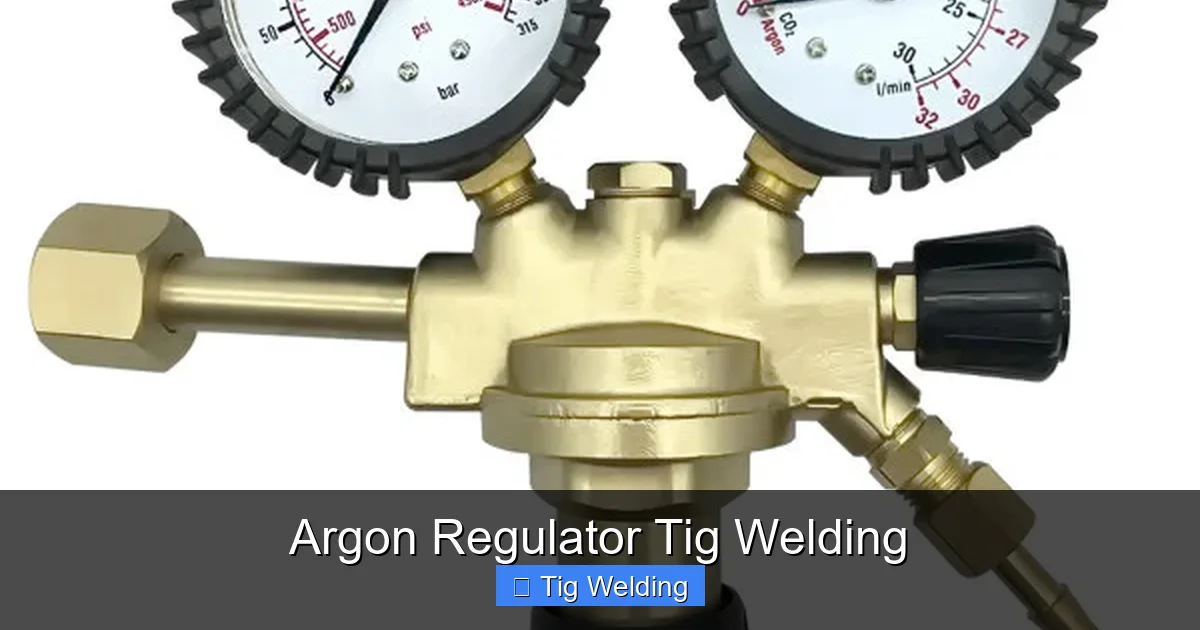
An argon regulator is a device attached to your gas cylinder that reduces high-pressure argon to a manageable, consistent flow suitable for welding. It has two main parts: a pressure gauge to monitor the cylinder pressure and a flow control valve to adjust the gas flow rate.

Visual guide about Argon Regulator Tig Welding
Image source: m.media-amazon.com
In TIG welding, maintaining a steady flow of argon—typically between 5 to 20 cubic feet per hour (CFH)—is crucial. The regulator ensures this flow remains stable, regardless of changes in cylinder pressure or welding conditions.
Why Is Proper Regulation Important?
Consistent argon flow prevents contamination of the weld area, reduces porosity, and improves overall weld quality. It also conserves gas, saving you money in the long run. An unreliable regulator can cause fluctuations, leading to weak welds or defects.
Moreover, a good regulator acts as a safety device by preventing excessive pressure buildup that could cause leaks or accidents.
Choosing the Right Argon Regulator for TIG Welding
Types of Argon Regulators
- Single-stage regulators: These are simpler and more affordable. They reduce high cylinder pressure directly to the desired pressure in one step. Suitable for most hobby and light industrial TIG welding.
- Two-stage regulators: Provide more precise control by reducing pressure in two steps. They are more stable, especially when the cylinder pressure drops, making them ideal for professional TIG welding.
Key Features to Consider
- Flow capacity: Match the regulator’s flow rate with your welding needs. Typical TIG welding requires 5-20 CFH.
- Pressure range: Ensure the regulator can handle the maximum cylinder pressure (usually around 2000-3000 psi).
- Material quality: Look for regulators made from durable materials like brass or stainless steel for longevity.
- Gauge clarity: Clear, easy-to-read gauges help you monitor pressure and flow accurately.
- Compatibility: Confirm that the regulator fits your gas cylinder valve type.
Cost and Brand Recommendations
While premium brands like Harris, Victor, or Esab tend to offer higher durability and precision, there are reliable budget options for hobbyists. Always prioritize quality and safety features over price.
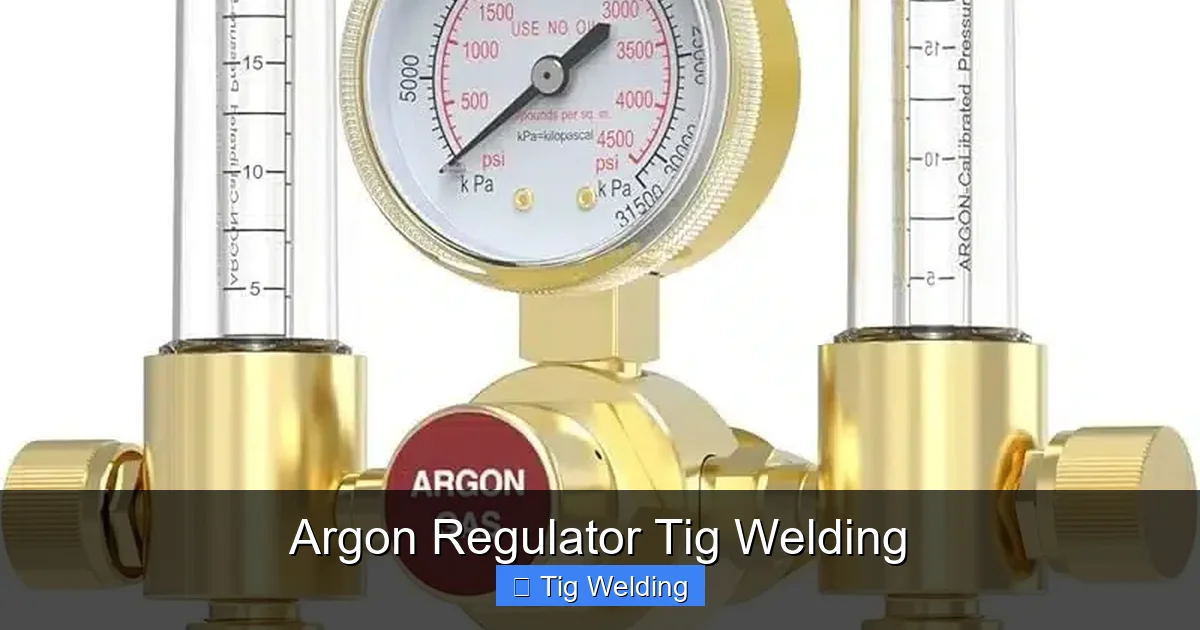
Visual guide about Argon Regulator Tig Welding
Image source: wholesale.yeswelder.com
Setting Up Your Argon Regulator for TIG Welding
Step-by-Step Setup Guide
- Inspect the regulator: Check for any damage, dirt, or debris. Ensure all connections are clean.
- Attach to the cylinder: Securely connect the regulator to the argon cylinder valve, tightening the fittings with a wrench but avoiding over-tightening.
- Open the cylinder valve: Slowly open the cylinder valve to pressurize the regulator, watching the pressure gauge for normal readings.
- Adjust the flow: Set the flow rate on the regulator to your desired CFH (usually 10 CFH for TIG welding). Turn the flow control knob slowly until the gauge indicates the correct flow.
- Leak test: Use a soap solution around fittings to check for leaks. If bubbles appear, tighten fittings or reseat connections.
- Connect the TIG torch: Attach the gas hose from the regulator to your TIG torch, ensuring all fittings are secure.
Tips for Optimal Setup
- Always open the cylinder valve slowly to prevent pressure shocks.
- Keep the regulator upright to avoid damage and ensure accurate readings.
- Regularly check gauges during welding to maintain consistent flow.
Maintaining and Troubleshooting Your Argon Regulator
Regular Maintenance Practices
- Periodically clean all fittings and gauges to prevent dirt buildup.
- Inspect for signs of wear, corrosion, or damage.
- Replace worn or damaged parts promptly, especially gauges and seals.
- Store the regulator in a clean, dry place when not in use.
Common Problems and Solutions
- Inconsistent gas flow: Check for leaks, ensure the regulator is properly calibrated, and replace faulty gauges if needed.
- Regulator not maintaining pressure: The internal diaphragm or valve may be damaged; consider professional repair or replacement.
- Leaks at fittings: Tighten fittings or replace seals.
- Difficulty in adjusting flow: Dirt or debris may be blocking the flow control; clean or replace the regulator.
Safety Tips When Using an Argon Regulator
- Always use regulators rated for welding gases.
- Never over-tighten fittings to avoid damaging the regulator.
- Work in well-ventilated areas to prevent gas buildup.
- Check for leaks before starting welding.
- Turn off the cylinder valve when not in use.
- Keep the regulator away from heat sources and direct sunlight.
Conclusion: Mastering Argon Regulator TIG Welding
A good argon regulator is a cornerstone of successful TIG welding. It provides the precise control needed to produce clean, strong welds while conserving gas and ensuring safety. By choosing the right regulator, setting it up properly, and maintaining it regularly, you can significantly improve your welding results and enjoy a safer working environment.
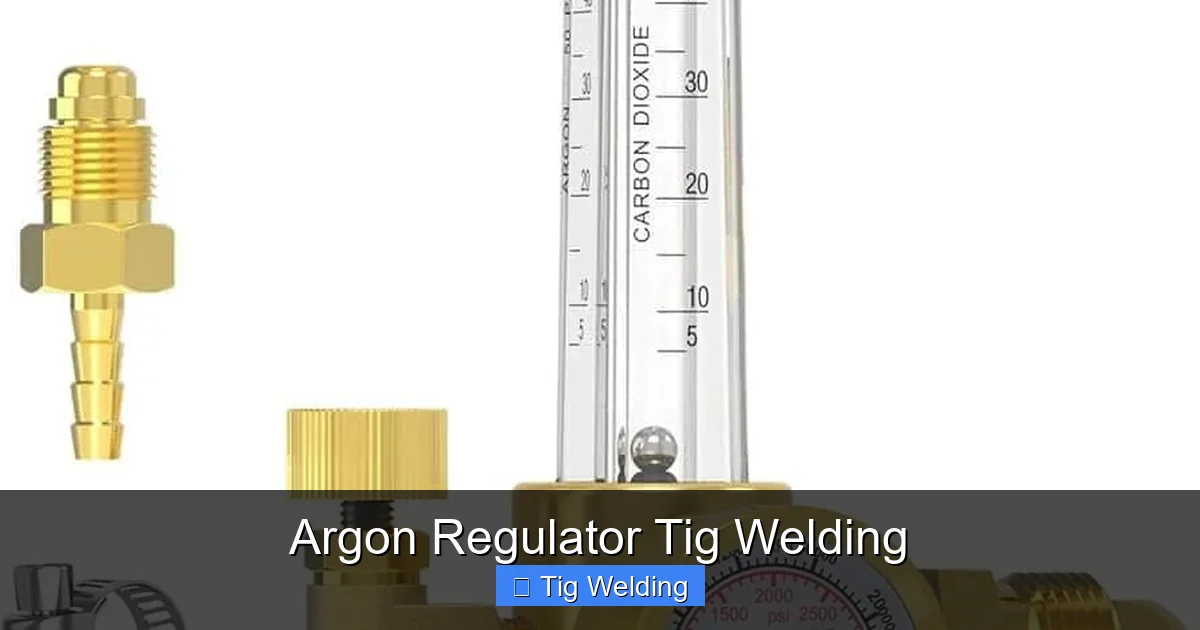
Visual guide about Argon Regulator Tig Welding
Image source: wholesale.yeswelder.com
Investing in quality equipment and following best practices can make your TIG welding experience smoother, more efficient, and more enjoyable. Remember, safety always comes first, so handle your regulator with care and stay vigilant during every welding session.
Frequently Asked Questions
How do I choose the right argon regulator for TIG welding?
Look for a regulator that matches your flow requirements (typically 5-20 CFH), has durable construction, and fits your gas cylinder. Two-stage regulators offer better control for professional use.
Can I use a regulator meant for other gases with argon?
No, always use a regulator specifically rated for argon or inert gases. Using incompatible regulators can be unsafe and lead to equipment failure.
How often should I check my argon regulator?
Inspect your regulator before each use for leaks, damage, or corrosion. Perform more thorough maintenance and calibration every few months or as recommended by the manufacturer.
What are common signs of a faulty regulator?
Inconsistent gas flow, difficulty adjusting pressure, leaks, or gauges not reading correctly are signs your regulator may need repair or replacement.
Is it safe to weld with a damaged regulator?
No, a damaged regulator can cause gas leaks or pressure issues, which pose safety hazards. Always replace or repair faulty regulators before welding.
Why is my TIG welds porus or contaminated?
Inadequate or inconsistent shielding gas flow caused by a faulty or improperly set regulator can lead to contamination and porosity in welds. Proper regulation helps prevent this problem.
