

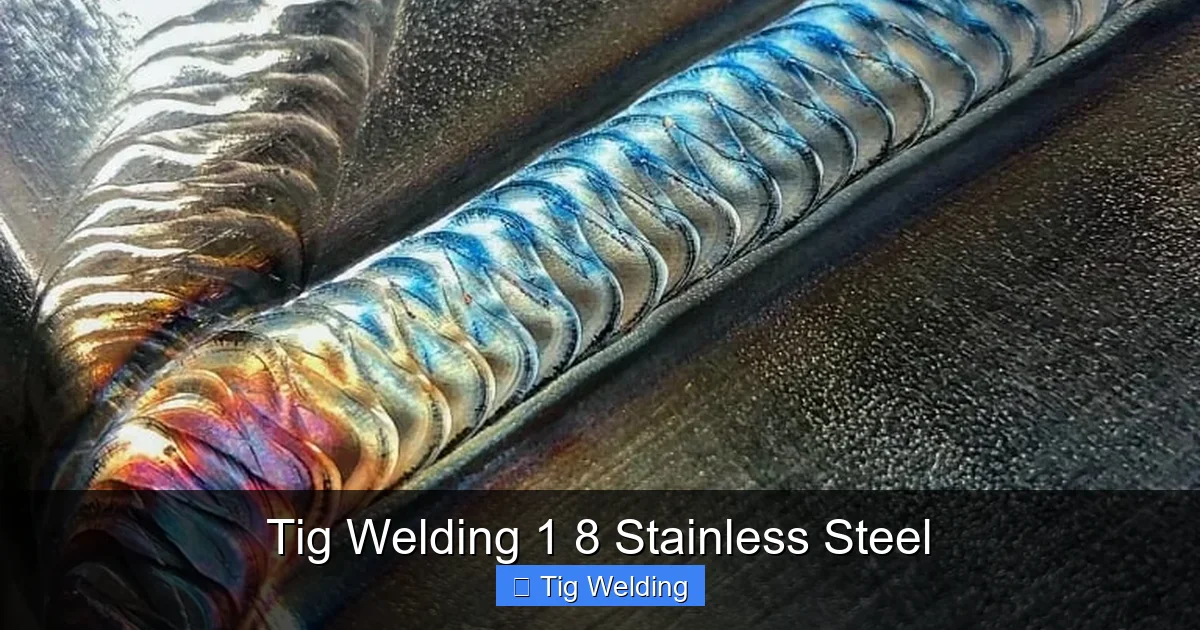
TIG welding 1/8″ stainless steel is a popular choice for achieving clean, precise welds on thin stainless sheets. With the right equipment, techniques, and safety measures, you can produce professional-quality results that last. This guide covers everything you need to know to master TIG welding 1/8″ stainless steel with confidence.
Key Takeaways
- Proper Equipment: Use a compatible TIG welder, suitable tungsten electrodes, and appropriate filler rod for stainless steel.
- Optimal Settings: Set the welder to the correct amperage and use a balanced or DCEN (Direct Current Electrode Negative) mode for stainless steel welding.
- Preparation: Clean the stainless steel surface thoroughly to remove contaminants like oil, grease, and oxidation before welding.
- Technique: Maintain a steady hand, proper torch angle, and consistent travel speed to ensure strong, clean welds.
- Safety: Use protective gear, including gloves, helmet, and proper ventilation to ensure safety during welding.
- Practice: Practice on scrap pieces to perfect your technique before working on your final project.
📑 Table of Contents
- Introduction to TIG Welding 1/8″ Stainless Steel
- Understanding TIG Welding for 1/8″ Stainless Steel
- Essential Equipment for TIG Welding 1/8″ Stainless Steel
- Preparing for TIG Welding 1/8″ Stainless Steel
- Welding Technique for 1/8″ Stainless Steel
- Common Mistakes and How to Avoid Them
- Tips for Achieving Professional Results
- Conclusion
- Additional Resources
Introduction to TIG Welding 1/8″ Stainless Steel
TIG (Tungsten Inert Gas) welding, also known as GTAW (Gas Tungsten Arc Welding), is a highly regarded method for welding thin and delicate materials like 1/8″ stainless steel. This technique offers precision, clean finishes, and strong welds, making it ideal for applications where appearance and strength matter.
If you’re new to TIG welding or looking to improve your skills on stainless steel, understanding the nuances of working with 1/8″ thick material is crucial. Thin stainless sheets require delicate handling, proper technique, and the right equipment. This comprehensive guide will walk you through everything from equipment selection to finishing touches, helping you achieve professional results every time.
Understanding TIG Welding for 1/8″ Stainless Steel
Why Choose TIG Welding?
TIG welding is favored for stainless steel because it produces minimal spatter, precise control, and high-quality welds. It’s especially suitable for thin materials like 1/8″ stainless steel, where precision is key to avoid burn-through or weak welds.
Visual guide about Tig Welding 1 8 Stainless Steel
Image source: ilmoproducts.com
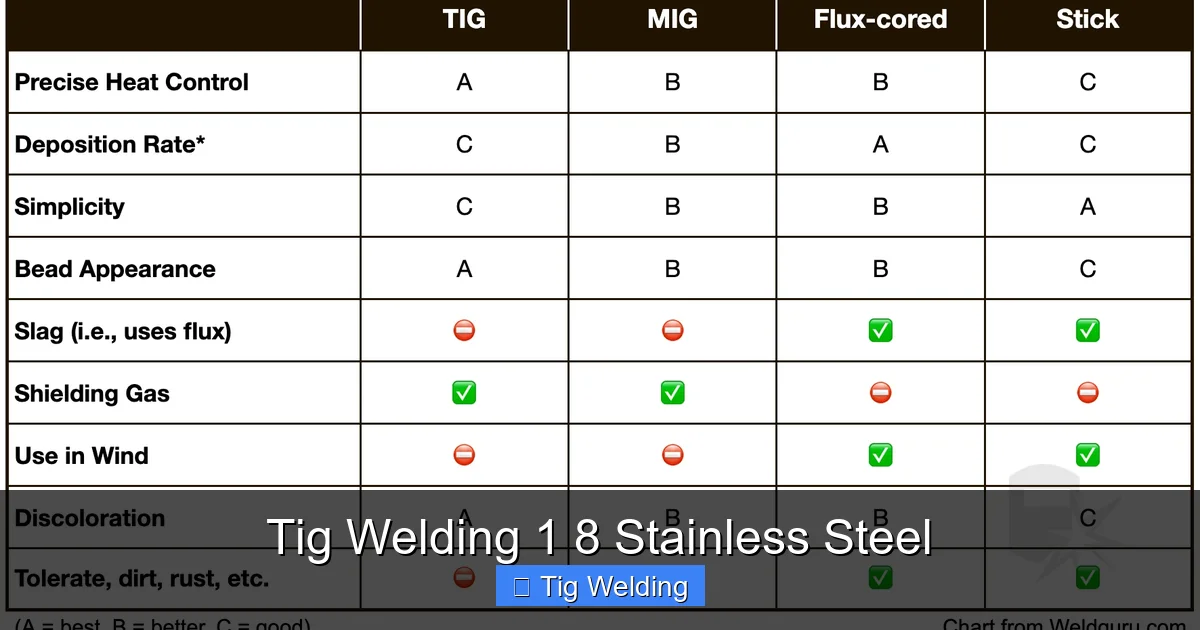
Compared to other welding methods like MIG or Stick welding, TIG offers cleaner welds with a neat appearance. This makes it perfect for jewelry, kitchen equipment, or any project demanding a polished finish.
Key Challenges with 1/8″ Stainless Steel
- Heat Control: Too much heat can burn through thin stainless steel. Proper amperage and technique are vital.
- Contamination: Stainless steel is sensitive to contamination, which can cause weld porosity or discoloration.
- Weld Quality: Achieving consistent, defect-free welds on thin material requires practice and skill.
Essential Equipment for TIG Welding 1/8″ Stainless Steel
Choosing the Right TIG Welder
For welding 1/8″ stainless steel, a TIG welder capable of precise control and low amperage settings (around 10-70 amps) is ideal. Look for a machine with DC (Direct Current) capability, as DC provides better control and cleaner welds on stainless steel.
Visual guide about Tig Welding 1 8 Stainless Steel
Image source: weldguru.com
Electrodes and Filler Rods
- Tungsten Electrodes: Use 2% thoriated or ceriated tungsten for stability and durability. Keep the tip sharp for focused arcs.
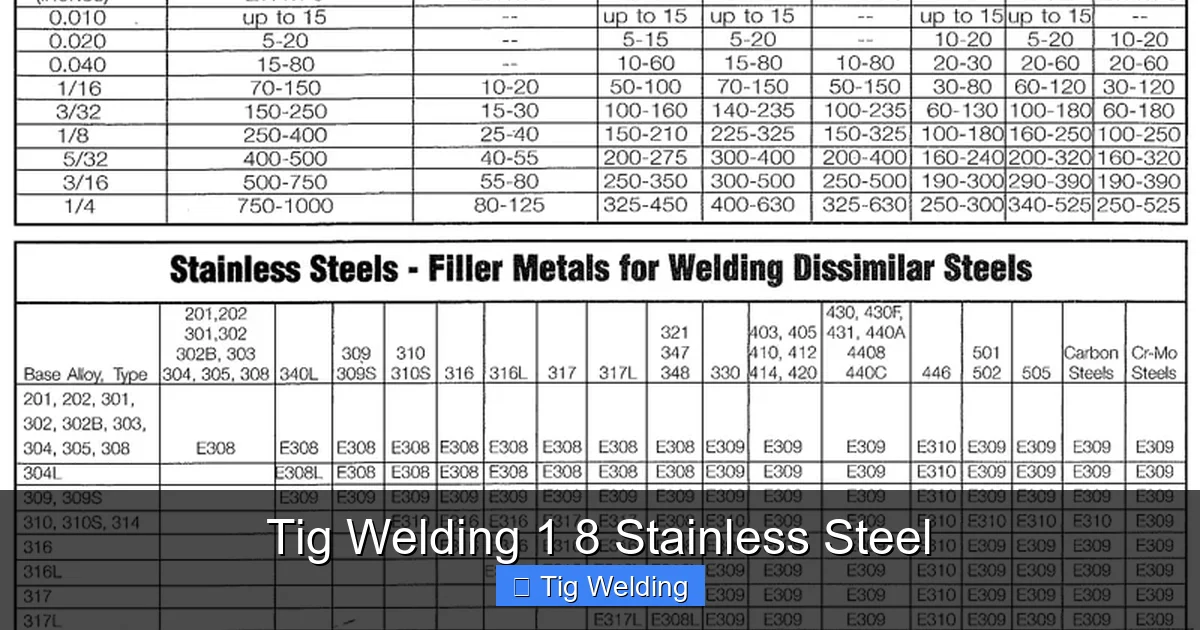
- Filler Rods: Use 308L, 309L, or 310 stainless steel filler rods, depending on the base material. Ensure they are clean and dry.
Shielding Gas and Safety Gear
- Shielding Gas: Pure argon (99.99%) is standard for stainless steel, providing a stable arc and clean welds.
- Protective Gear: Always wear a welding helmet, gloves, protective clothing, and work in a well-ventilated area.
Preparing for TIG Welding 1/8″ Stainless Steel
Cleaning and Surface Preparation
Contaminants like oil, grease, or rust can ruin your weld. Use a stainless steel wire brush, abrasive pad, or stainless cleaner to thoroughly clean the surface. Remove any oxidation or discoloration to achieve a bright, clean surface.

Visual guide about Tig Welding 1 8 Stainless Steel
Image source: weldguru.com
Clamping and Positioning
Secure the stainless steel sheet properly using clamps or fixtures. Maintain a stable position to ensure consistent welds. For thin material, avoid excessive movement or pressure that could cause warping.
Welding Technique for 1/8″ Stainless Steel
Setting the Right Parameters
- Amperage: Use a low amperage setting, typically between 30-50 amps, depending on your welder and material thickness.
- Balance and Frequency: Use a balanced or DCEN mode for smoother, more controlled welds.
- Travel Speed: Maintain a steady, moderate travel speed to prevent burn-through and ensure even weld bead.
Step-by-Step Welding Process
- Striking the Arc: Gently touch the tungsten to the workpiece and lift slightly to strike the arc. Keep the arc length short—about the diameter of the tungsten.
- Adding Filler Material: Feed the filler rod into the leading edge of the weld pool at a steady rate. Keep the torch angle around 15-20 degrees.
- Maintaining Consistency: Keep a consistent distance between the tungsten tip and workpiece. Use smooth, controlled movements.
- Cooling and Finishing: Allow the weld to cool naturally. Use a wire brush or pickling paste to clean the weld area if needed.
Practice on scrap pieces to perfect your technique before working on your main project. Remember, patience and steady hands are key to success with TIG welding 1/8″ stainless steel.
Common Mistakes and How to Avoid Them
- Using Too Much Heat: Overheating causes burn-through and discoloration. Dial down the amperage and increase travel speed.
- Contamination: Failing to clean the surface leads to porosity. Always clean thoroughly before welding.
- Incorrect Electrode Angle: Holding the torch at the wrong angle can cause inconsistent welds. Maintain a 15-20 degree torch angle.
- Inconsistent Filler Feed: Feeding filler unevenly results in weak spots. Practice steady filler addition.
Tips for Achieving Professional Results
- Practice: Spend time practicing on scrap to develop your skills.
- Use Proper Shielding Gas Flow: Ensure a steady flow of argon (around 15-20 CFH) to prevent contamination.
- Maintain a Clean Workspace: Keep your workspace free of dust, oil, and moisture.
- Adjust Settings Gradually: Make small adjustments to amperage and gas flow until you find optimal settings for your specific setup.
Conclusion
Mastering TIG welding 1/8″ stainless steel is a rewarding process that combines technical skill and patience. By choosing the right equipment, preparing your materials properly, and practicing consistent technique, you can produce strong, clean welds suitable for a variety of applications. Remember, each weld is a learning experience—keep practicing, stay safe, and enjoy your welding journey!
Additional Resources
- TIG Welding Safety Tips
- Best TIG Welders for Beginners
- Cleaning and Maintaining Stainless Steel Welds
Frequently Asked Questions
What is the best amperage for TIG welding 1/8″ stainless steel?
Typically, 30-50 amps are suitable for welding 1/8″ stainless steel, but always adjust based on your specific welder and conditions to prevent burn-through.
Can I use a MIG welder for 1/8″ stainless steel?
While MIG welding is possible, TIG provides more control and cleaner welds on thin stainless steel. For precision projects, TIG is the preferred method.
What type of filler rod is best for stainless steel?
Use stainless steel filler rods like 308L, 309L, or 310, depending on your base material. Ensure they are clean and compatible with your stainless steel type.
How do I prevent contamination during TIG welding?
Thoroughly clean the stainless steel surface before welding and use pure argon shielding gas to protect the weld area from air contamination.
Why does my weld look discolored or oxidized?
This is usually due to oxidation from improper shielding or contamination. Proper cleaning and shielding gas flow help achieve a bright, clean weld.
How long does it take to master TIG welding 1/8″ stainless steel?
It varies, but with consistent practice, you can develop good technique within a few weeks. Patience and practice are key to mastering TIG welding on thin stainless steel.
