

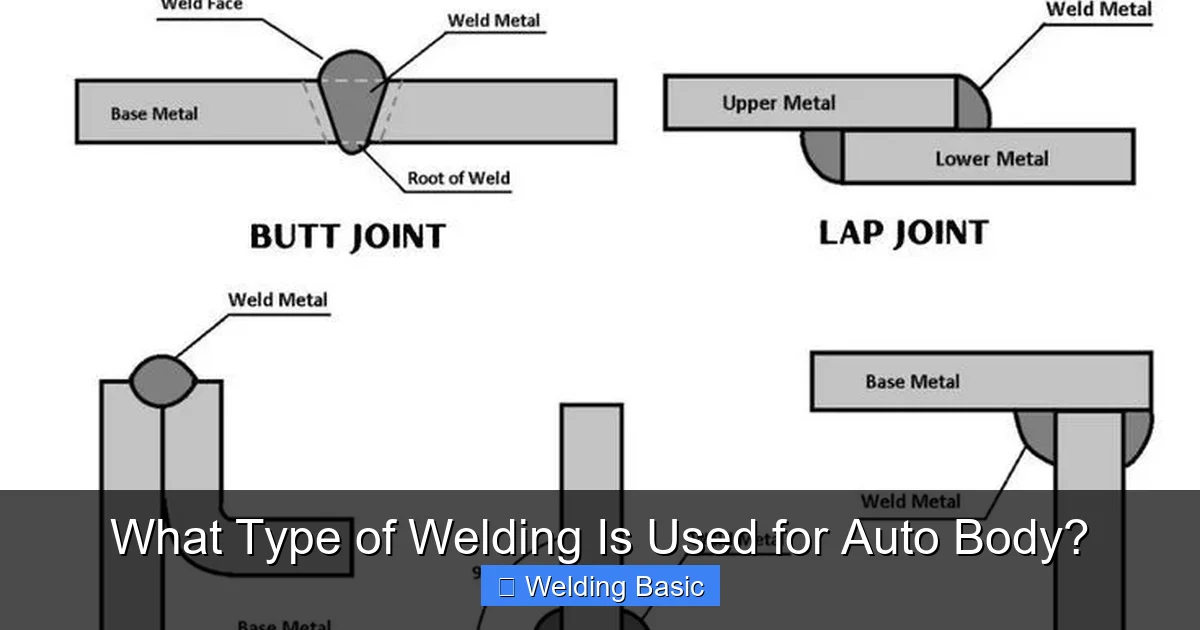
This guide explains the most common welding types used in auto body work, including MIG, TIG, and spot welding. You’ll learn how each method works, when to use it, and tips for achieving professional-quality repairs on car panels and frames.
Key Takeaways
- MIG welding is the most popular choice for auto body work because it’s fast, easy to learn, and produces strong, clean welds on thin steel.
- TIG welding offers precision and control, making it ideal for high-end restorations or aluminum parts, but it requires more skill and time.
- Spot welding is commonly used in factory settings and for repairing factory welds, especially on door panels and structural components.
- Material thickness and type matter—choose your welding method based on whether you’re working with steel, aluminum, or galvanized metal.
- Proper safety gear is essential, including a welding helmet, gloves, and flame-resistant clothing to prevent burns and eye damage.
- Surface preparation is critical—clean, rust-free metal ensures strong, durable welds and prevents contamination.
- Practice on scrap metal first to build confidence and refine your technique before working on actual vehicle parts.
What Type of Welding Is Used for Auto Body?
If you’re diving into auto body repair or restoration, one of the first questions you’ll face is: *What type of welding should I use?* Welding is a crucial skill for fixing dents, replacing panels, or reinforcing structural components. But not all welding methods are created equal—especially when it comes to the delicate, thin metals used in modern vehicles.
In this guide, you’ll learn about the three most common welding techniques used in auto body work: MIG welding, TIG welding, and spot welding. We’ll break down how each method works, when to use it, and how to get the best results. Whether you’re a DIY enthusiast or a professional technician, this guide will help you choose the right welding process for strong, clean, and safe repairs.
Why Welding Matters in Auto Body Work
Auto body welding isn’t just about joining metal—it’s about restoring strength, safety, and appearance. Modern cars are built with lightweight materials like high-strength steel and aluminum to improve fuel efficiency and performance. When these materials get damaged in a collision or due to rust, welding is often the best way to repair them.
But auto body welding is different from industrial or structural welding. The metal is thinner, often less than 1/8 inch thick, and the welds need to be smooth and nearly invisible to maintain the car’s look. That’s why choosing the right welding method is so important.
MIG Welding: The Go-To Choice for Auto Body
MIG welding (Metal Inert Gas), also known as GMAW (Gas Metal Arc Welding), is the most widely used welding method in auto body shops. It’s fast, reliable, and beginner-friendly—making it ideal for both professionals and hobbyists.
How MIG Welding Works
MIG welding uses a continuous wire electrode fed through a welding gun. As the wire melts, it fuses the two metal pieces together. A shielding gas—usually a mix of argon and CO₂—protects the weld from contamination by air.
Why MIG Is Great for Auto Body
- Speed: MIG welding is much faster than TIG, which is important when repairing large panels or multiple spots.
- Ease of Use: Once you get the hang of it, MIG welding is straightforward. The wire feed automates part of the process.
- Strong Welds: MIG creates deep, strong welds that hold up well under stress—perfect for structural repairs.
- Works on Thin Metal: With the right settings, MIG can weld thin sheet metal without burning through.
Best Practices for MIG Welding on Cars
- Use the right wire: For steel auto body work, use ER70S-6 solid wire with a 75% argon / 25% CO₂ gas mix.
- Adjust voltage and wire speed: Lower settings prevent burn-through on thin panels. Start with 18–20 volts and adjust as needed.
- Weld in short bursts: Use a stitch or skip welding technique to avoid warping the metal.
- Grind down welds: After welding, use a grinder to smooth the bead so it blends with the surrounding panel.
TIG Welding: Precision for High-End Repairs
TIG welding (Tungsten Inert Gas), or GTAW, is known for its precision and clean, high-quality welds. It’s slower than MIG but offers superior control—making it a favorite for custom builds, restorations, and aluminum welding.
How TIG Welding Works
TIG uses a non-consumable tungsten electrode to create the arc. You manually feed a separate filler rod into the weld pool while controlling the heat with a foot pedal. A shielding gas (usually pure argon) protects the weld.
When to Use TIG Welding on Cars
- Aluminum repairs: TIG is the best method for welding aluminum, which is common in modern car frames and body panels.
- Custom fabrication: If you’re building a roll cage, exhaust system, or custom brackets, TIG gives you fine control.
- High-visibility areas: TIG produces smooth, aesthetically pleasing welds that require minimal grinding.
Tips for TIG Welding Auto Body
- Clean the metal thoroughly: Aluminum oxidizes quickly. Use a stainless steel brush and acetone to remove contaminants.
- Use AC mode for aluminum: Alternating current helps break up the oxide layer for better fusion.
- Practice your rhythm: TIG requires coordination between your hands and foot. Practice on scrap metal first.
- Start with low amperage: Thin auto body metal can burn through easily. Begin around 50–70 amps and increase as needed.
Spot Welding: Factory-Style Repairs
Spot welding is a resistance welding technique that uses electric current and pressure to fuse two metal sheets at a single point. It’s the same method used in car manufacturing and is perfect for restoring factory-style welds.
How Spot Welding Works
Two copper electrodes clamp the metal sheets together. A high electrical current passes through the spot, creating heat that melts the metal and forms a weld nugget. The process is fast—usually under a second—and doesn’t require filler material.
Why Use Spot Welding in Auto Body?
- Authentic repairs: Many OEM (original equipment manufacturer) repairs require spot welding to maintain structural integrity.
- Minimal heat distortion: Since heat is localized, there’s less risk of warping thin panels.
- Strong and durable: Spot welds are highly resistant to shear forces, making them ideal for structural joints.
How to Spot Weld Car Panels
- Use a dedicated spot welder: While you can modify a MIG welder for spot welding, a true spot welder gives better results.
- Clamp the panels tightly: Gaps between sheets will prevent a proper weld.
- Space welds correctly: Follow factory guidelines—typically 1–2 inches apart for structural joints.
- Drill out old welds: Use a spot weld cutter to remove damaged factory welds before making new ones.
Choosing the Right Welding Method
So, which welding type should you use? Here’s a quick decision guide:
- For most steel body repairs: Use MIG welding. It’s fast, strong, and easy to master.
- For aluminum or high-precision work: Choose TIG welding. It’s slower but offers superior control.
- For restoring factory welds: Use spot welding. It’s the most authentic and structurally sound method.
Safety Tips for Auto Body Welding
Welding can be dangerous if you’re not careful. Always follow these safety rules:
- Wear a welding helmet with auto-darkening lens: Protects your eyes from UV and IR radiation.
- Use flame-resistant clothing: Leather jackets, gloves, and long sleeves prevent burns.
- Work in a well-ventilated area: Welding fumes can be toxic. Use an exhaust fan or respirator.
- Remove flammable materials: Keep gasoline, oil, and upholstery away from the work area.
- Disconnect the battery: Prevents electrical shorts and protects the car’s electronics.
Troubleshooting Common Welding Problems
Even experienced welders run into issues. Here’s how to fix common problems:
Burn-Through on Thin Metal
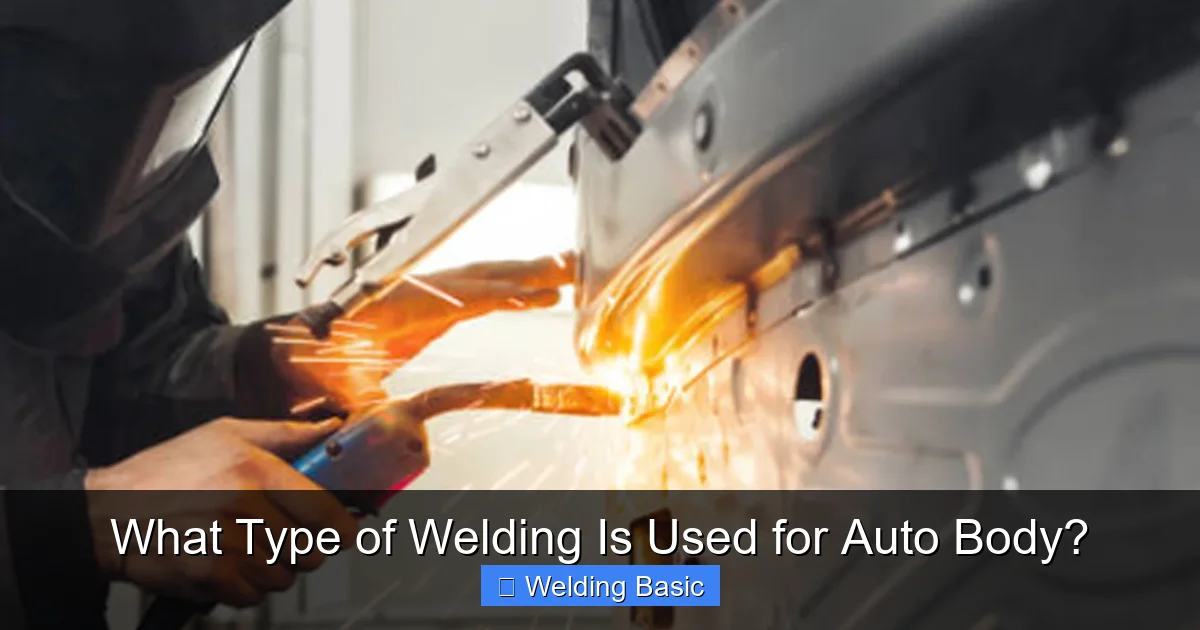
This happens when the weld gets too hot and melts a hole in the metal. Solution: Reduce voltage, increase travel speed, or use a copper heat sink behind the weld.
Visual guide about What Type of Welding Is Used for Auto Body?
Image source: perfectwelders.com
Visual guide about What Type of Welding Is Used for Auto Body?
Image source: tricitymarketing.com
Poor Penetration
The weld doesn’t fuse deeply enough. Solution: Increase voltage or wire speed, and ensure proper joint fit-up.
Porosity (Bubbles in the Weld)
Caused by contamination or insufficient shielding gas. Solution: Clean the metal, check gas flow, and avoid welding in windy areas.
Warping or Distortion
Thin panels bend due to uneven heating. Solution: Use stitch welding, clamp the panel securely, and allow cooling between passes.
Final Thoughts
Choosing the right welding method for auto body work can make the difference between a strong, lasting repair and a weak, unsafe fix. MIG welding is your best bet for most steel repairs—fast, strong, and beginner-friendly. TIG welding shines when precision and aesthetics matter, especially with aluminum. And spot welding is the gold standard for restoring factory-style joints.
No matter which method you choose, remember: preparation, practice, and safety are key. Clean your metal, wear the right gear, and start with scrap pieces to build your skills. With the right technique, you can achieve professional-quality welds that keep your car safe, strong, and looking great.
