

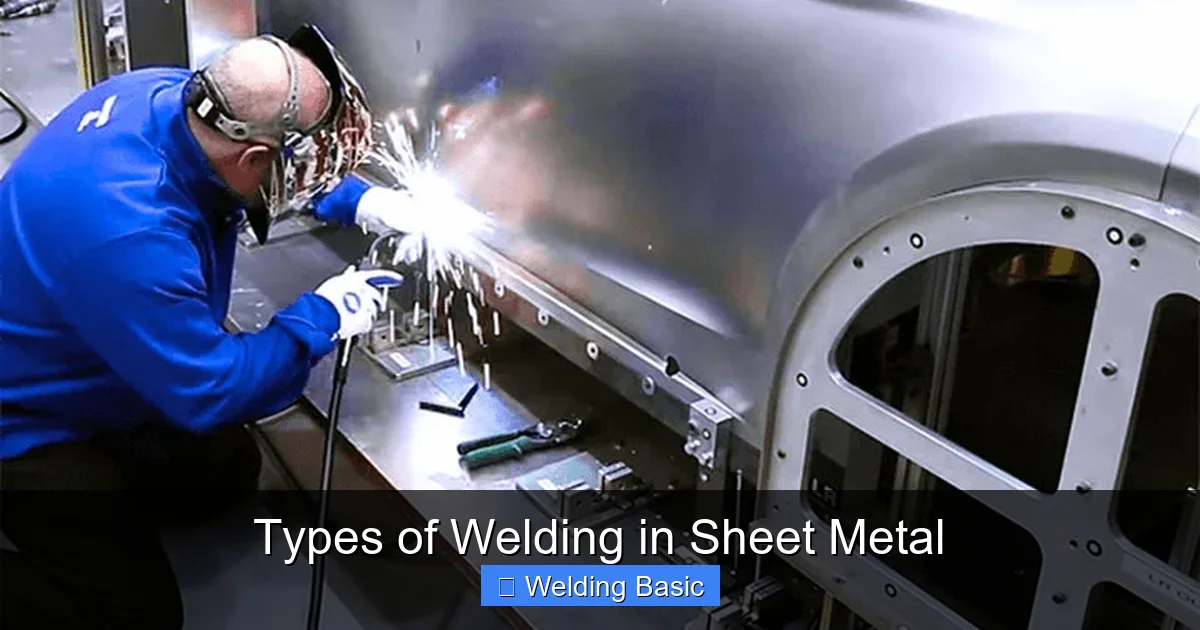
This guide covers the most effective types of welding in sheet metal, from MIG and TIG to spot and projection welding. You’ll learn when to use each method, essential techniques, and how to avoid common mistakes for professional-quality results.
Key Takeaways
- MIG welding is fast and beginner-friendly, ideal for thin sheet metal with proper shielding gas.
- TIG welding offers precision and clean finishes, perfect for aluminum and stainless steel.
- Spot welding is commonly used in automotive manufacturing for quick, strong joins on overlapping sheets.
- Projection welding uses raised points to concentrate heat, reducing distortion in delicate parts.
- Plasma arc welding provides deep penetration and control for high-precision applications.
- Always clean metal surfaces and use correct settings to prevent burn-through and warping.
- Choose the right welding type based on material thickness, joint design, and required finish.
Introduction to Welding in Sheet Metal
Welding sheet metal might seem tricky at first—thin materials can warp, burn through, or weaken if not handled properly. But with the right technique and equipment, you can create strong, clean, and durable welds. Whether you’re working on car panels, HVAC ducts, or custom metal fabrication, knowing the different types of welding in sheet metal is essential.
In this guide, we’ll walk you through the most common welding methods used for thin-gauge metals. You’ll learn how each process works, when to use it, and step-by-step tips to get professional results. From MIG and TIG to spot and projection welding, we’ve got you covered. By the end, you’ll be able to choose the best welding type for your project and avoid common pitfalls.
Understanding Sheet Metal and Welding Challenges
Visual guide about Types of Welding in Sheet Metal
Image source: alroys.com
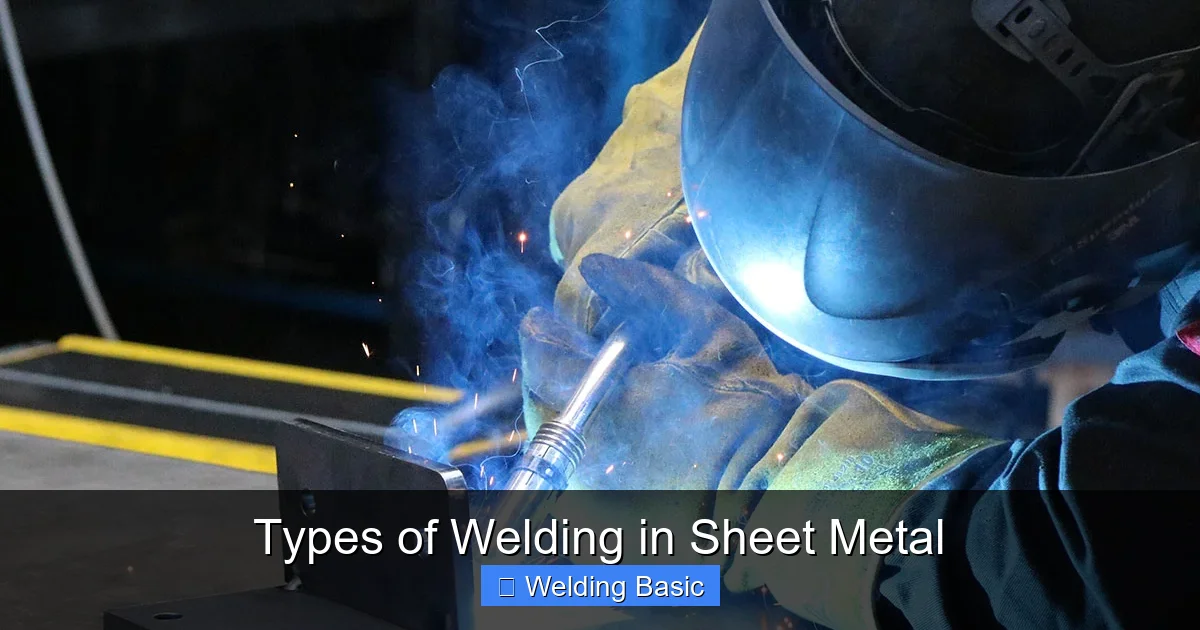
Sheet metal typically ranges from 0.5 mm to 6 mm in thickness. Because it’s so thin, it’s prone to warping, burn-through, and distortion during welding. Heat spreads quickly, so controlling temperature is key.
Common challenges include:
- Burn-through from too much heat
- Warping due to uneven cooling
- Poor penetration if settings are too low
- Weak welds from contamination or improper technique
To overcome these, always clean the metal with a wire brush or solvent before welding. Use clamps to hold pieces in place, and work in short bursts to manage heat buildup.
MIG Welding for Sheet Metal
Visual guide about Types of Welding in Sheet Metal
Image source: madearia.com
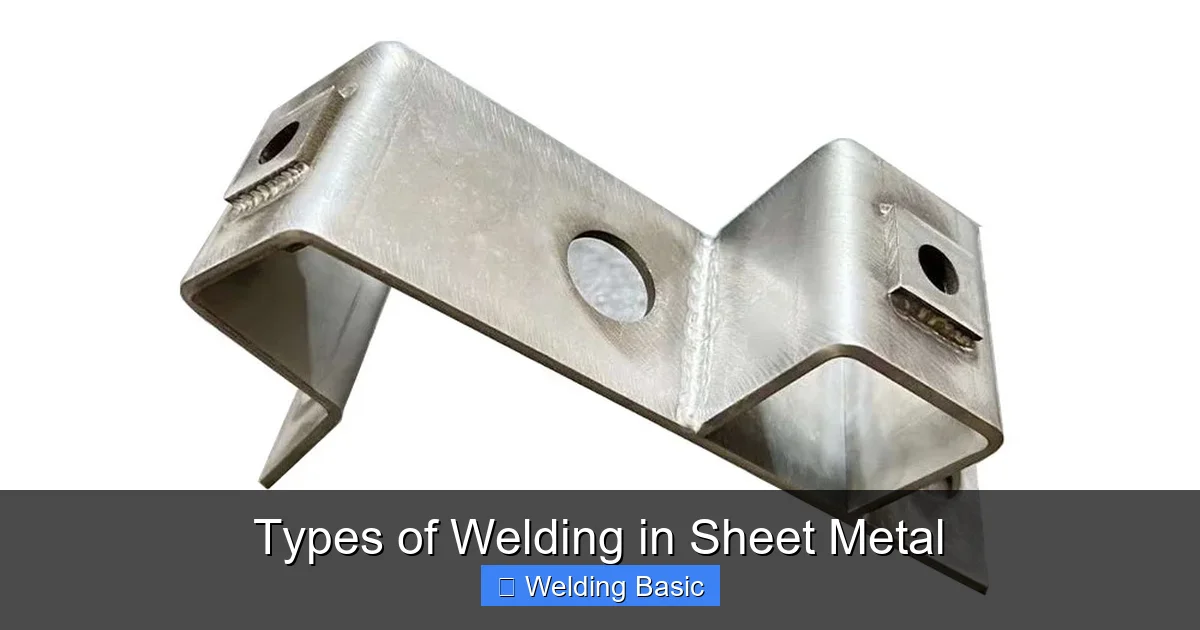
MIG (Metal Inert Gas) welding, also known as GMAW (Gas Metal Arc Welding), is one of the most popular methods for sheet metal. It’s fast, versatile, and great for beginners.
How MIG Welding Works
A continuous wire electrode feeds through the welding gun, melting into the joint while a shielding gas (usually argon or a mix) protects the weld from contamination.
Best Practices for MIG on Thin Metal
- Use a lower voltage and wire speed to prevent burn-through.
- Choose a thinner wire (0.6mm or 0.8mm) for better control.
- Use short-circuit transfer mode for thin materials.
- Weld in short bursts (stitch welding) to control heat.
Pro Tip: Tack weld first, then go back with short welds spaced apart. Let the metal cool between passes.
Common Issues and Fixes
- Burn-through: Reduce voltage, increase travel speed, or use a backing bar.
- Poor fusion: Clean metal thoroughly and check gas flow (aim for 15–20 CFH).
- Warping: Use clamps and alternate weld directions to balance heat.
MIG is ideal for steel and stainless steel sheet metal. Avoid it for aluminum unless you have a spool gun or push-pull setup.
TIG Welding for Precision and Cleanliness
TIG (Tungsten Inert Gas) welding, or GTAW, is the go-to method for high-quality, precise welds. It’s slower than MIG but offers unmatched control.
How TIG Welding Works
A non-consumable tungsten electrode creates the arc, while a separate filler rod is manually fed into the weld pool. Argon gas shields the area.
Why Use TIG on Sheet Metal?
- Excellent for aluminum, stainless steel, and thin metals.
- Produces clean, aesthetically pleasing welds with minimal spatter.
- Allows precise heat control, reducing warping.
Step-by-Step TIG Welding Tips
- Set amperage low (start around 50–80 amps for 1.5mm steel).
- Use a foot pedal to control heat input smoothly.
- Hold the torch at a 15-degree angle and move steadily.
- Add filler rod in a “dab and move” rhythm to avoid overheating.
Pro Tip: Preheat thicker sections slightly to reduce thermal shock. For aluminum, use AC mode on your TIG welder.
Troubleshooting TIG Welds
- Porosity: Caused by dirty metal or insufficient gas. Clean with acetone and check flow (10–15 CFH).
- Tungsten contamination: Don’t let the electrode touch the weld pool. Use a dedicated tungsten for each material.
- Incomplete fusion: Increase amperage slightly or slow your travel speed.
TIG is perfect for visible welds, such as custom exhausts, artwork, or aerospace components.
Spot Welding: Fast and Efficient
Spot welding is a resistance welding method widely used in automotive and appliance manufacturing. It’s quick, requires no filler, and creates strong joints.
How Spot Welding Works
Two copper electrodes clamp the metal sheets together. A high electrical current passes through, melting the metal at the contact point. Pressure holds the pieces together as they cool.
When to Use Spot Welding
- Joining overlapping steel sheets (up to 3mm thick).
- High-volume production where speed matters.
- Applications like car bodies, battery packs, and metal enclosures.
Tips for Effective Spot Welding
- Ensure clean, tight contact between sheets.
- Adjust current and time based on material thickness.
- Space spots 10–20mm apart for even strength.
- Use a spot weld timer for consistent results.
Pro Tip: For home use, a portable spot welder or modified MIG welder with a spot timer can work for small projects.
Common Problems
- Weak welds: Increase current or pressure. Check electrode alignment.
- Burn marks: Reduce current or shorten weld time.
- Expulsion (splatter): Clean electrodes regularly and ensure proper clamping force.
Spot welding is not ideal for dissimilar metals or non-conductive materials.
Projection Welding for Precision Parts
Projection welding is a variation of resistance welding used when you need precise, localized welds. Small raised points (projections) on one piece concentrate the heat.
How It Works
The projections focus the electrical current, creating heat only at those points. Pressure collapses the projections as they melt, forming a strong weld.
Applications
- Fasteners, brackets, and electrical contacts.
- Automotive sensors and fuel system components.
- Thin parts where minimal distortion is critical.
Best Practices
- Design projections with consistent height and shape.
- Use proper electrode force to avoid crushing thin metal.
- Control current and time precisely—too much heat damages projections.
Pro Tip: Projection welding reduces the heat-affected zone, making it great for delicate assemblies.
Plasma Arc Welding for High Precision
Plasma arc welding (PAW) is similar to TIG but uses a constricted arc for deeper penetration and higher speed. It’s used in aerospace and medical device manufacturing.
How PAW Works
A tungsten electrode sits inside a copper nozzle. Ionized gas (plasma) is forced through the nozzle, creating a focused, high-energy arc.
Advantages for Sheet Metal
- Greater control and penetration than TIG.
- Ideal for thin, high-strength materials like titanium and stainless steel.
- Produces narrow, precise welds with minimal distortion.
Tips for Success
- Use a pilot arc to stabilize the plasma jet.
- Maintain consistent travel speed and standoff distance.
- Shield with argon or argon-hydrogen mix.
PAW requires specialized equipment and is less common for DIYers, but it’s excellent for critical applications.
Choosing the Right Welding Method
Not all welding types are suitable for every job. Here’s how to choose:
- Material: Aluminum? Go TIG or MIG with proper setup. Steel? MIG or spot welding work well.
- Thickness: Under 1mm? TIG or spot welding. 1–3mm? MIG or projection welding.
- Speed: Need fast production? Spot or MIG. Need precision? TIG or plasma.
- Finish: Visible welds? TIG gives the cleanest look.
- Equipment: Do you have a TIG welder? If not, MIG or spot welding may be more practical.
Troubleshooting Common Sheet Metal Welding Problems
Even experienced welders face issues. Here’s how to fix them:
- Burn-through: Reduce heat input, use a backing bar, or switch to stitch welding.
- Warping: Weld in a crisscross pattern, use clamps, and allow cooling between passes.
- Poor penetration: Increase amperage slightly or slow travel speed.
- Porosity: Clean metal, check gas flow, and ensure no drafts.
- Cracking: Preheat thick sections, use compatible filler, and avoid rapid cooling.
Conclusion
Welding sheet metal doesn’t have to be intimidating. By understanding the different types of welding—MIG, TIG, spot, projection, and plasma—you can choose the best method for your project. Each has strengths: MIG for speed, TIG for precision, spot for efficiency, and plasma for high-tech applications.
Remember to clean your metal, control heat, and practice on scrap pieces first. With the right technique, you’ll create strong, clean welds every time. Whether you’re fixing a car panel or building a custom metal project, these welding methods will help you succeed.
