

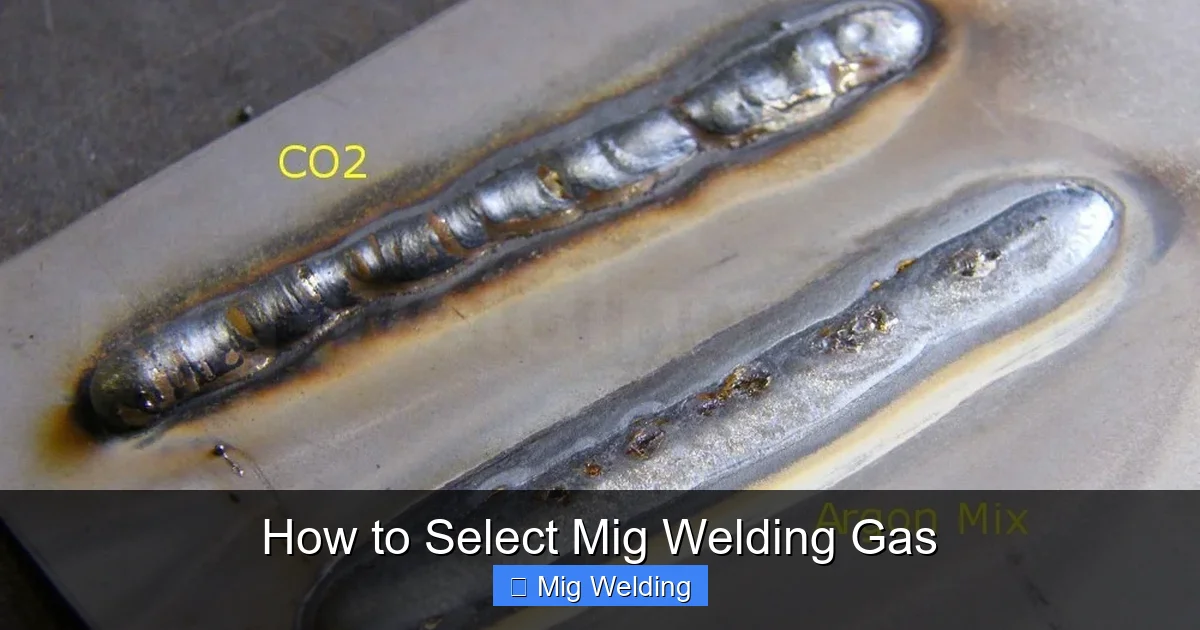
Choosing the correct MIG welding gas is essential for achieving strong, high-quality welds. This guide walks you through the key factors to consider, including gas types, mixtures, and application needs, ensuring you make the best choice for your project.
How to Select MIG Welding Gas
If you’re diving into MIG welding, choosing the right welding gas is crucial. The right gas improves weld quality, reduces defects, and makes your work easier. But with many options available, how do you pick the best one? In this guide, we’ll walk you through everything you need to know about selecting MIG welding gas. From understanding different gases to matching them with your project, you’ll learn how to make an informed choice that leads to perfect welds.
Key Takeaways
- Understand different gas types: Know the common gases used in MIG welding, such as Argon, CO2, and blends.
- Match gas to material: Select gases based on whether you’re welding steel, aluminum, or other metals.
- Consider your welding position and environment: Some gases perform better in specific conditions.
- Balance cost and quality: Higher purity gases may cost more but provide better results.
- Use correct gas mixtures: Mixtures like Argon-CO2 or Argon-Helium improve weld quality depending on your application.
- Check compatibility with your equipment: Ensure your welding setup supports your chosen gas.
Understanding MIG Welding Gas Basics
MIG welding, also known as Gas Metal Arc Welding (GMAW), uses a shielding gas to protect the weld pool from contamination. The type and mixture of this gas influence the weld’s appearance, strength, and overall quality. The main gases used are Argon, Carbon Dioxide (CO2), Helium, and various blends. Choosing the right gas depends on your material, position, and desired weld properties.
Step 1: Identify Your Material
Welding Steel
For carbon steels, common gases include pure CO2 or blends of Argon and CO2. CO2 is affordable and provides deep penetration but can produce spatter and a rougher weld bead.

Visual guide about How to Select Mig Welding Gas
Image source: weldguru.com
Welding Aluminum
Aluminum requires inert gases like Argon or Helium. Argon is most common, offering stable arcs and good weld quality. Helium can be added for increased heat and faster welding but costs more.
Other Metals
For stainless steel or other exotic metals, specific gas mixtures are recommended. For example, a mix of Argon and Oxygen can improve weld quality on stainless steel.
Step 2: Choose the Right Gas Type
Pure Gases
- Argon: Ideal for aluminum and non-ferrous metals. Provides a stable arc and smooth welds.
- CO2: Common for steel; inexpensive but can cause more spatter.
- Helium: Adds heat and improves weld penetration; best for thick materials.
Gas Mixtures
- Argon-CO2 (75/25 or 80/20): Popular for steel; balances weld quality and cost.
- Argon-Helium: Used for aluminum and high-quality welds requiring deep penetration.
- Other blends: Adjusted for specific needs, such as increased arc stability or reduced spatter.
Step 3: Consider Your Welding Environment
Environment plays a role in gas selection. Outdoor welding or in windy conditions requires shielding gases that resist contamination.

Visual guide about How to Select Mig Welding Gas
Image source: makemoneywelding.com

Visual guide about How to Select Mig Welding Gas
Image source: makemoneywelding.com
Indoor Welding
More forgiving; standard blends like 75/25 Argon-CO2 work well.
Outdoor or Windy Conditions
Use higher purity gases or higher flow rates to prevent contamination. Consider using a gas-shielded enclosure or windshields for better results.
Step 4: Evaluate Cost and Budget
While high-purity gases and premium blends provide better results, they cost more. Balance your project needs with your budget.
- Basic steel jobs: CO2 or 75/25 Argon-CO2 blends are cost-effective.
- High-quality or critical welds: Use pure Argon or specialized blends, despite higher costs.
Step 5: Check Compatibility with Your Equipment
Ensure your welding machine and regulator support the chosen gas. Some machines require specific gas flow rates or fittings. Always verify compatibility before purchasing.
Step 6: Practical Tips for Selecting and Using MIG Gases
- Use clean cylinders: Contaminated gases lead to weld defects.
- Set correct flow rate: Typically 20-30 CFH (cubic feet per hour), but check your equipment specs.
- Store gases properly: Keep cylinders upright and secure, in well-ventilated areas.
- Match gas mixture with wire: For example, use 75/25 Argon-CO2 with carbon steel wire for best results.
Troubleshooting Common Issues
Spatter or Porosity
Check your gas purity, flow rate, and leaks. Using a contaminated or incorrect gas can cause these problems.
Poor Arc Stability
Ensure your gas flow rate is appropriate and your regulator is functioning properly. Switch to a more inert gas if needed.
Inconsistent Weld Appearance
Verify your gas mixture matches your wire and material. Adjust your welding parameters accordingly.
Conclusion
Choosing the right MIG welding gas is key to achieving high-quality welds. By understanding your material, environment, and project needs, you can select the best gas type and mixture. Remember to consider cost, equipment compatibility, and practical use tips to ensure smooth welding sessions. With the right gas, you’ll produce strong, clean, and professional-looking welds every time.
Final Tips
- Always use cylinders from reputable suppliers to ensure gas purity.
- Test your chosen gas in a small project before committing to large jobs.
- Keep up with regular maintenance and checks of your welding equipment to maximize results.
